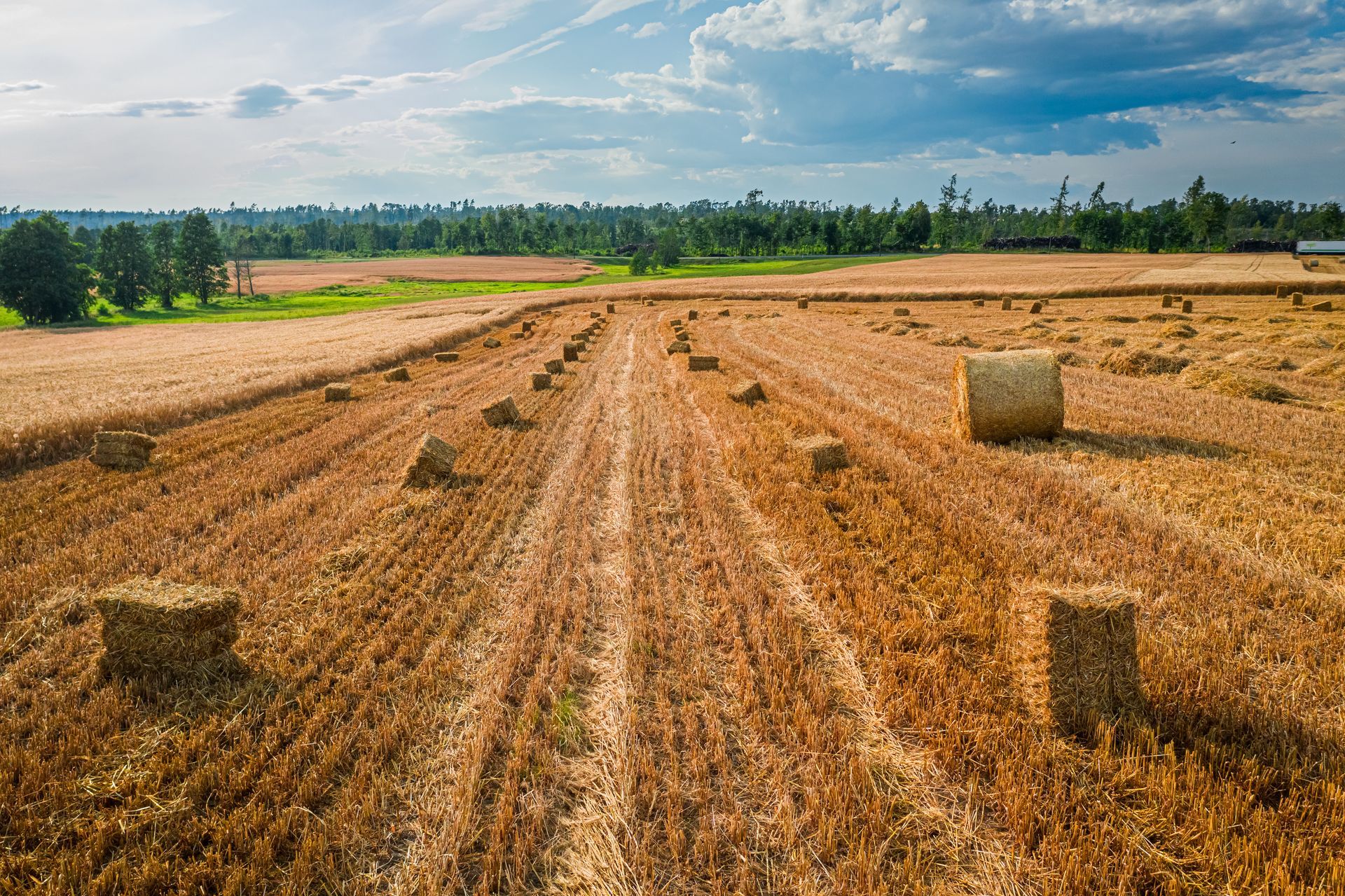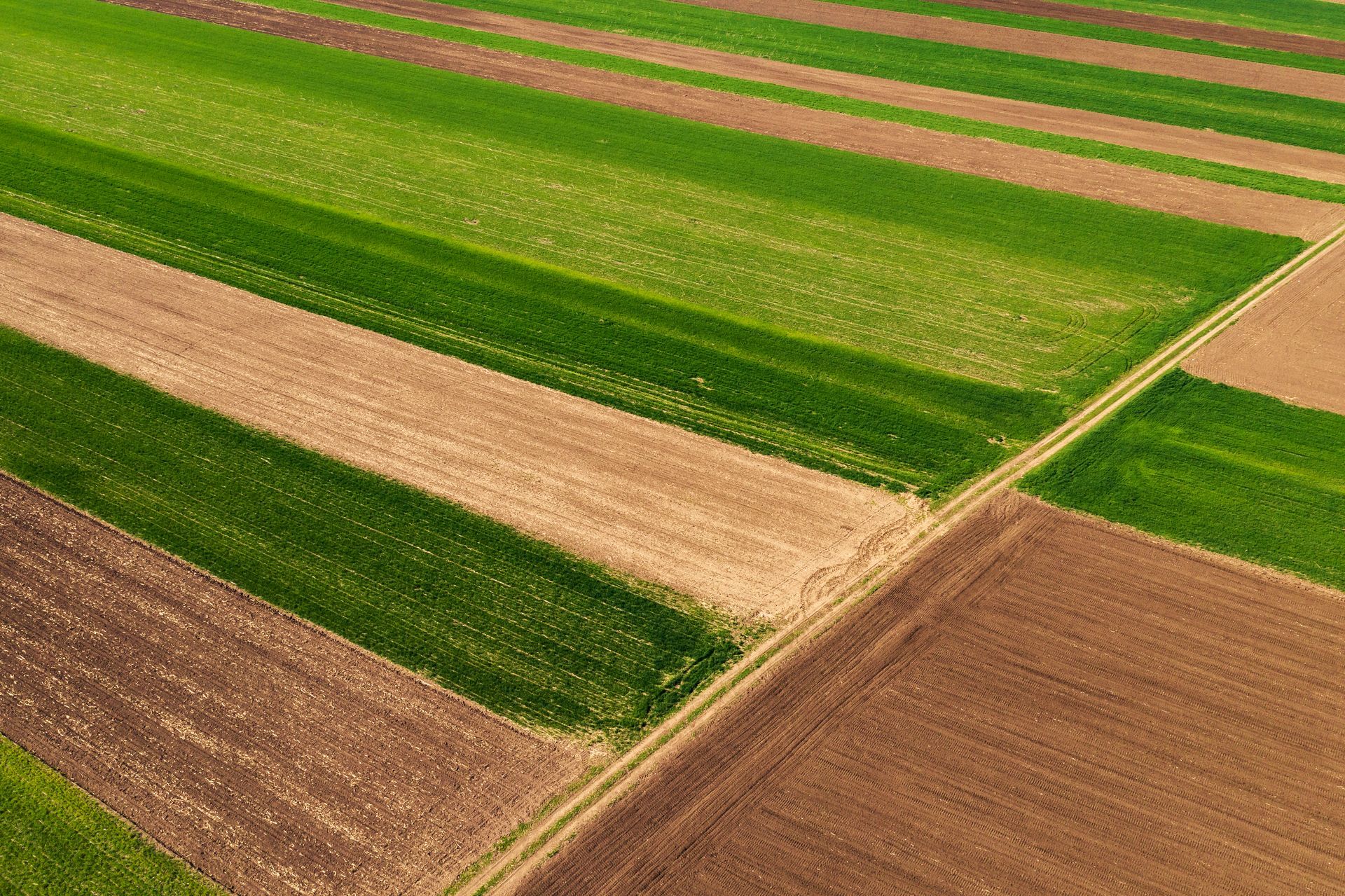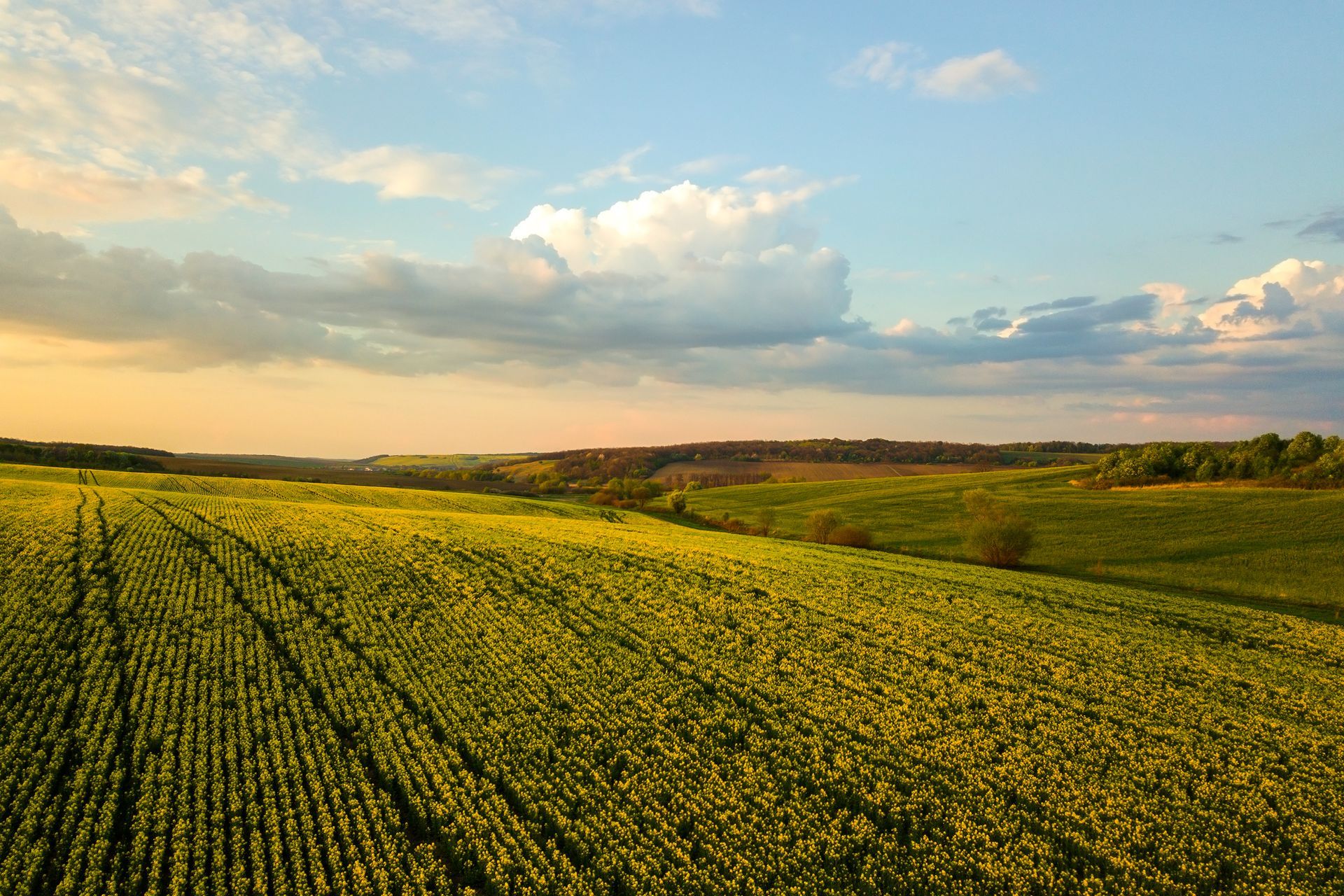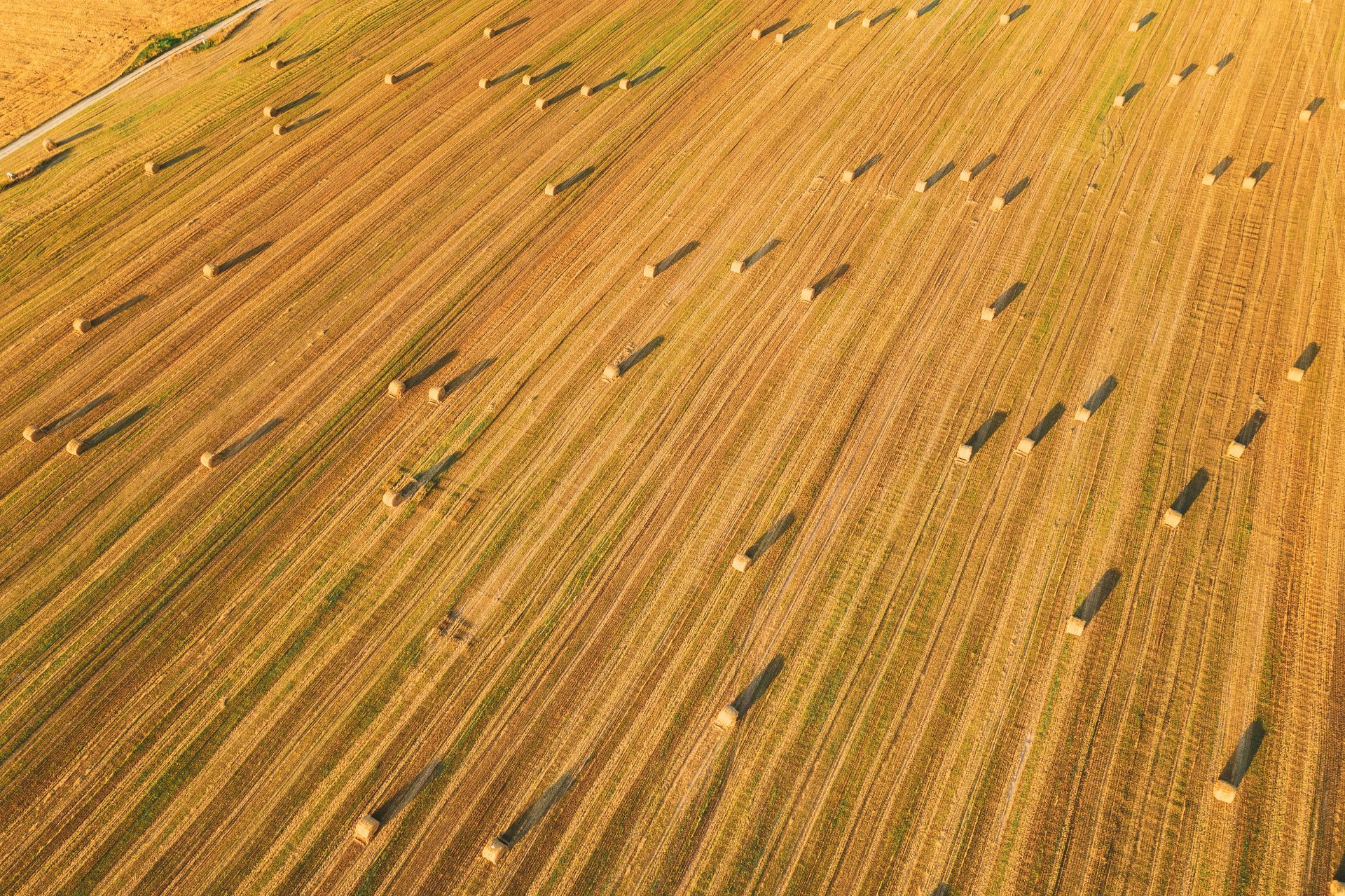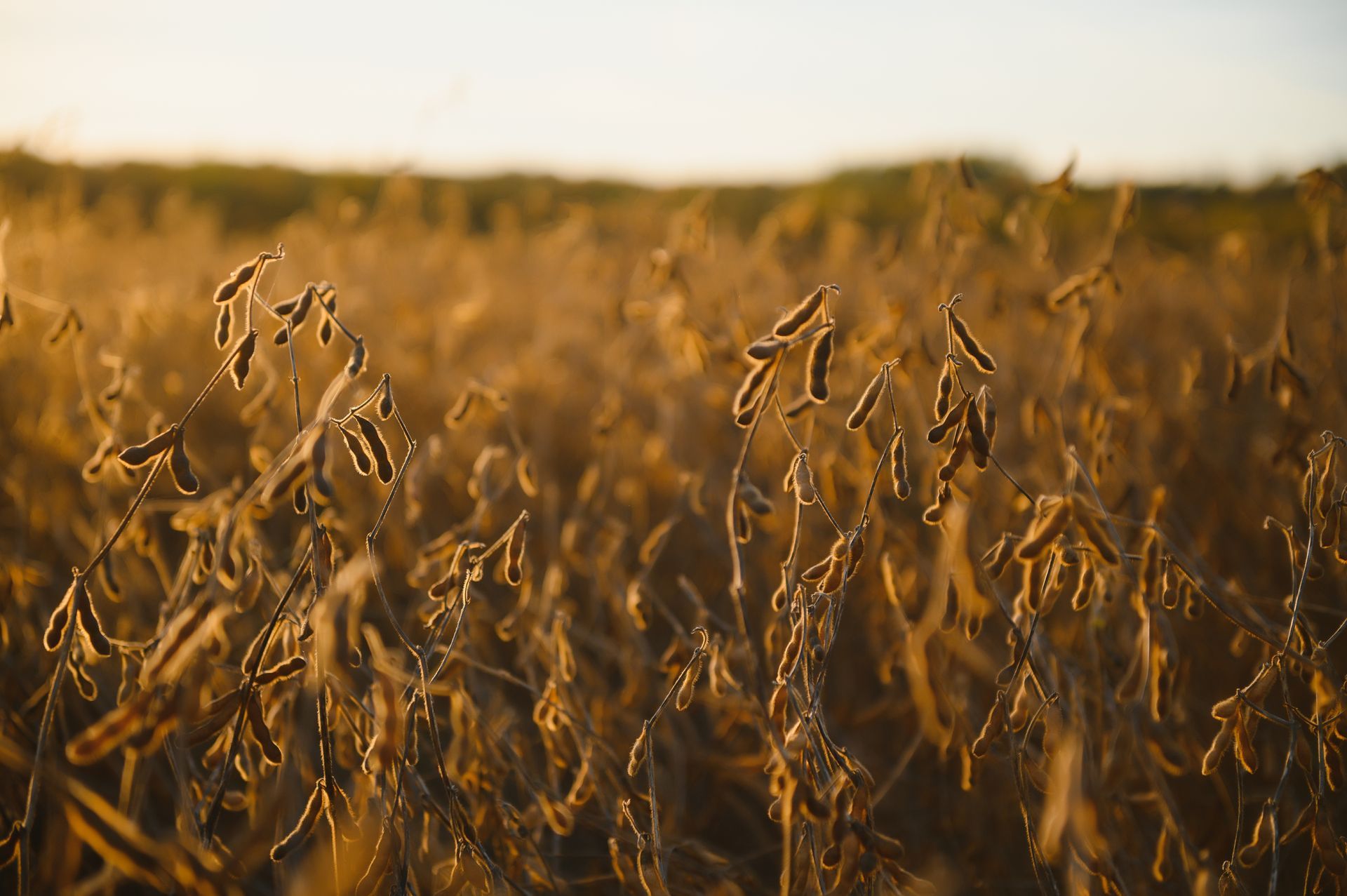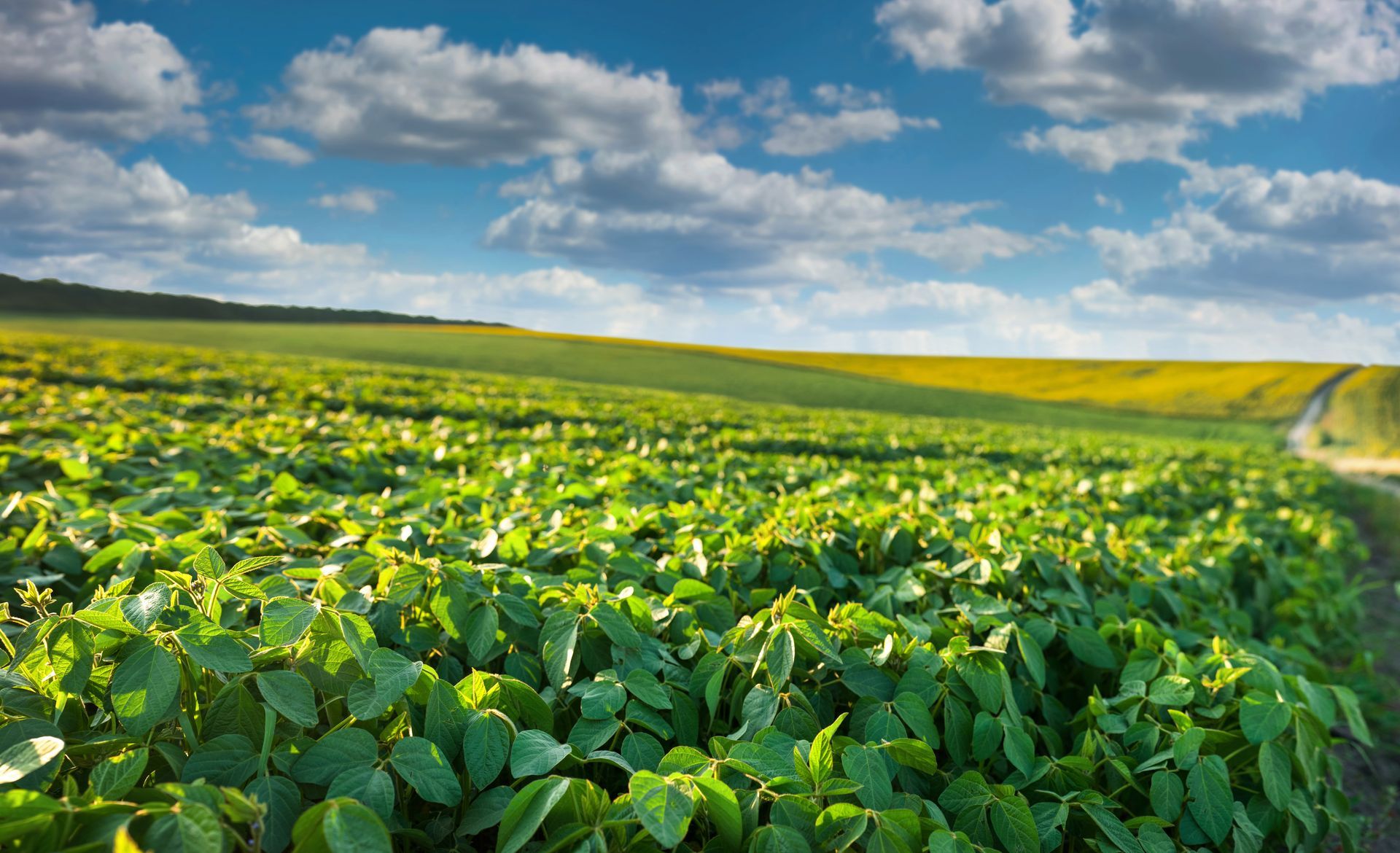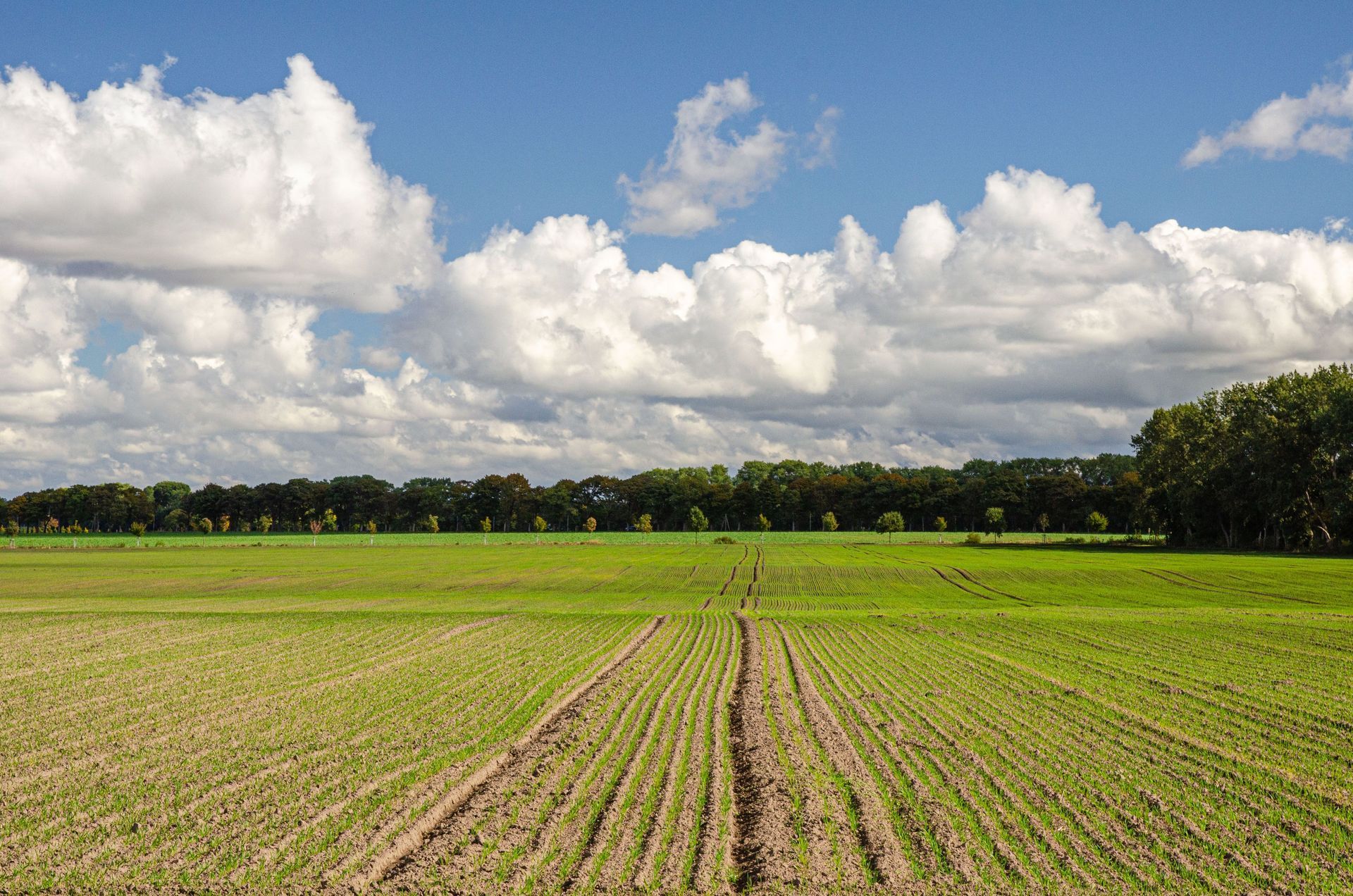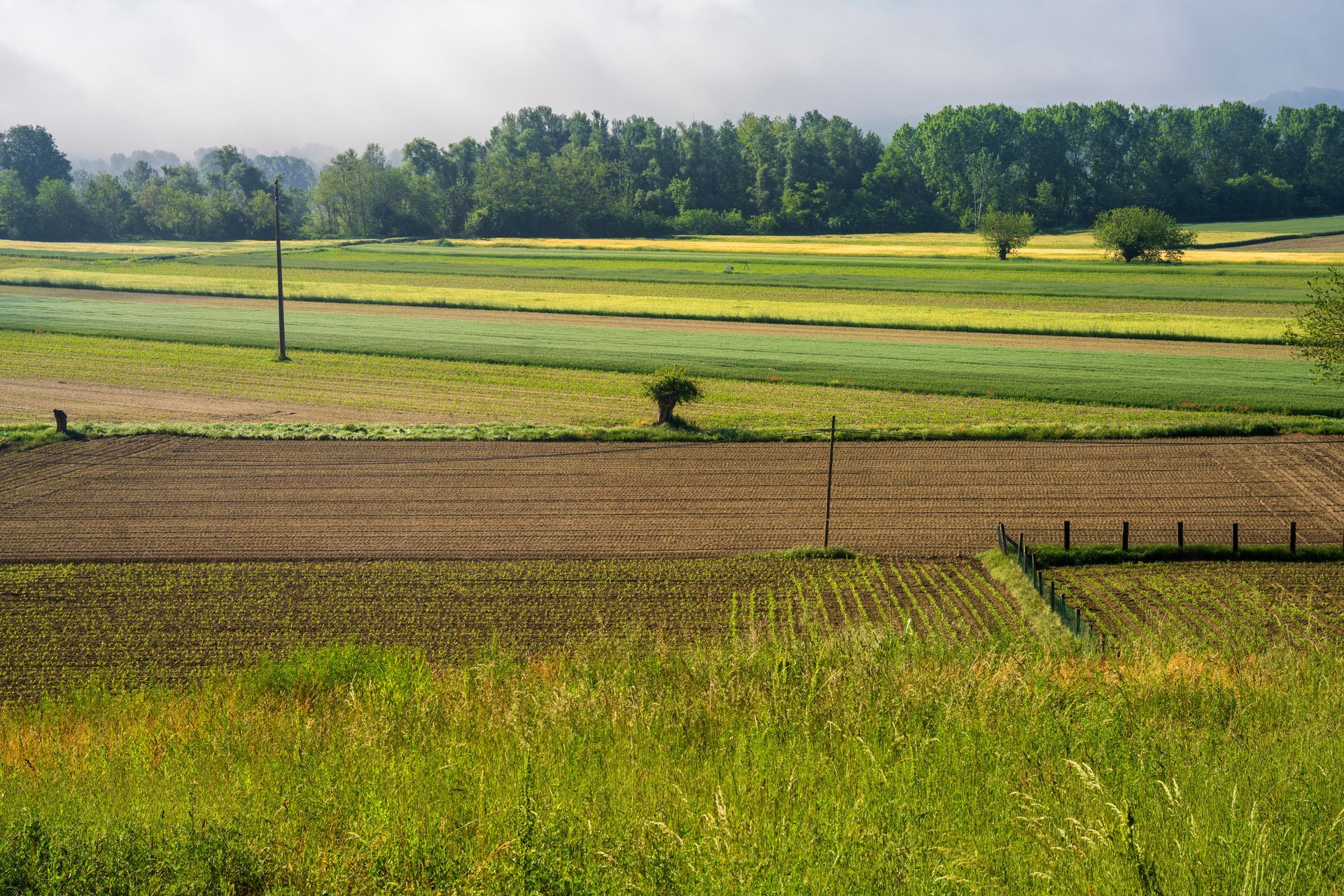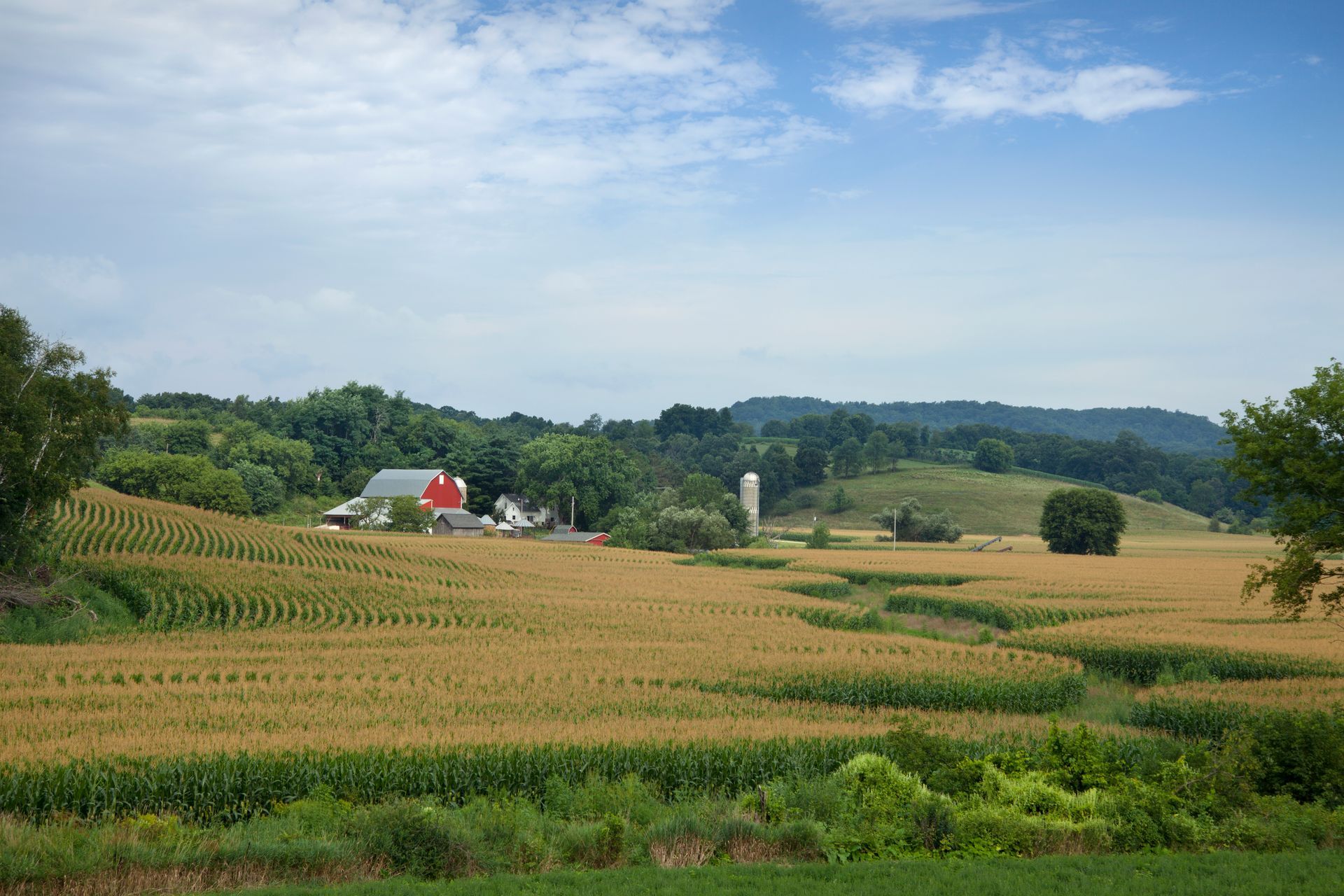
As August rolls around, every farmer spending time in the truck or walking rows can see the story the crop is telling. You can clearly spot the drowned-out acres, the uneven crop height, and the persistent wet pockets that seem to show up every year. Right now, before the combine rolls, is the best time to identify drainage problems before harvest and put a plan together. Taking action on late season field drainage today gives you a massive head start on securing a better stand next spring.
Why August Is the Best Time to Evaluate Field Drainage
Many growers ask, "Should I wait until winter to think about drainage?" The truth is, August gives you the clearest view of your soil's true performance. Right now, you can see exactly why fields stay wet after heavy rain and where standing water in crop fields is cutting into your yield potential.
By taking mental notes or using RTK drainage mapping now, you can map out precision farm drainage solutions while the evidence is staring right at you. Waiting until winter means relying on memory after the residue is chopped and the ground freezes. Catching these trouble spots now allows for seamless drainage planning after harvest.
Signs Your Field Needs Drainage Improvements
If you find yourself asking, "Why are these same spots yellow every year?" or "Why is one side of my field outperforming the other?", your soil is crying out for better air and water movement. Common signs include:
- Ponding after summer storms: Water sits on top instead of moving down into the profile.
- Uneven crop height: Plants in low areas lag behind due to cold, saturated roots early on.
- Poor root development: Shallow roots that couldn't penetrate waterlogged subsoil early in the season.
When you install targeted agricultural drainage systems, you address these issues directly, leading to healthier root systems and a noticeable soil health improvement across your entire field.
Surface and Subsurface Drainage Working Together
A common question in August is, "How do I know if I need surface drainage or tile?" The most effective approach combines both surface and subsurface drainage systems.
Surface waterways clear out flash runoff from sudden downpours, while micro drainage solutions for farmers handle the deep saturation. Our 2-inch tile systems pull excess water away rapidly, helping improve water infiltration in farm fields and creating a balanced root zone. This dual strategy improves field trafficability, letting you get equipment across the ground without rutting it up.
Start Planning Before Harvest Begins
Don't wait until spring to start your field drainage planning. Implementing smart farm drainage solutions right after the crop comes off ensures your soil warms up faster and dries out sooner next May. This single decision helps improve crop yield next season by giving every seed the best possible start.
We are farmers helping farmers, and we know that every acre counts.
Contact Richland Micro Drainage today to discuss your drainage improvements before harvest and build a custom plan to increase field productivity for years to come!