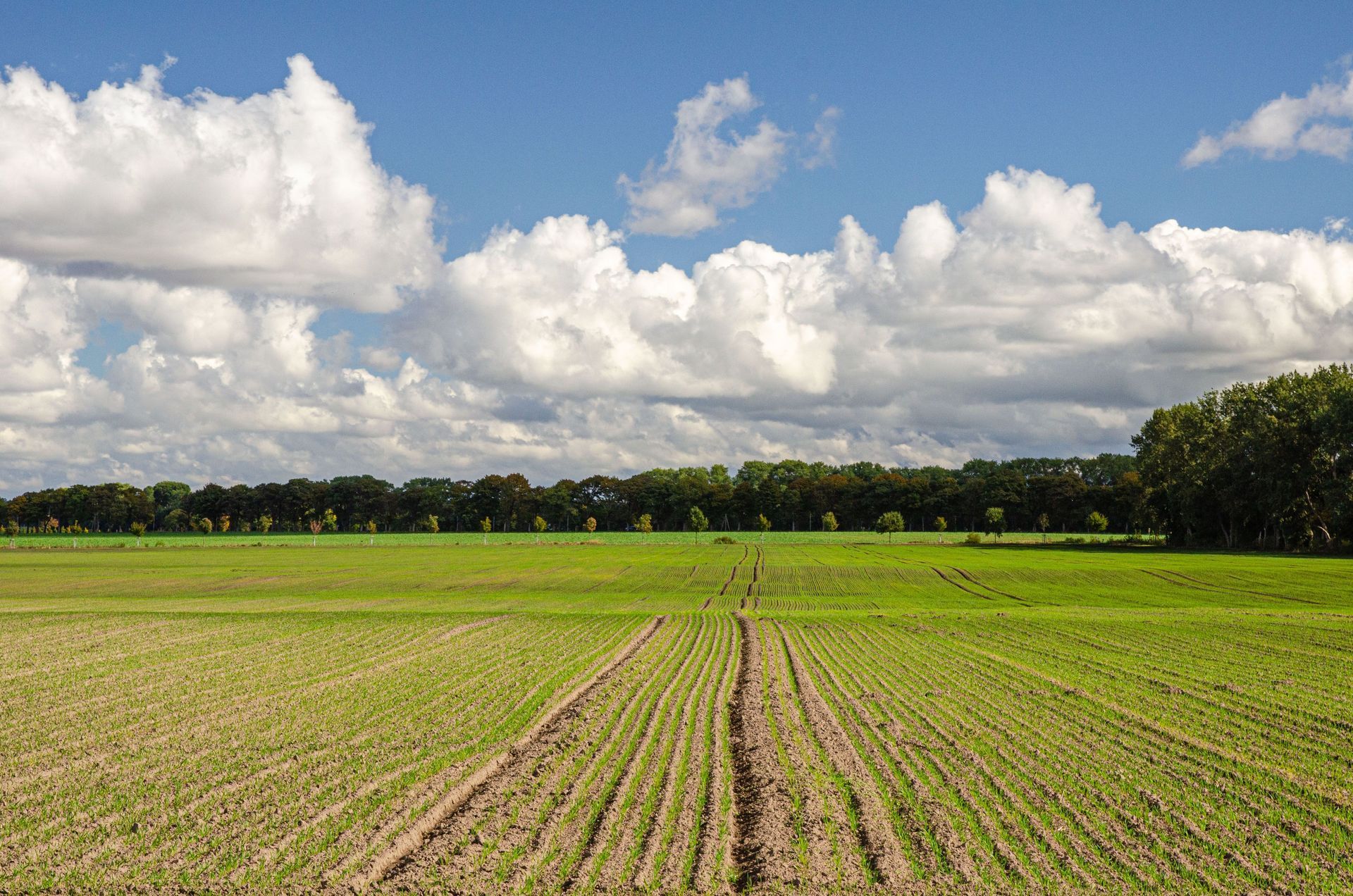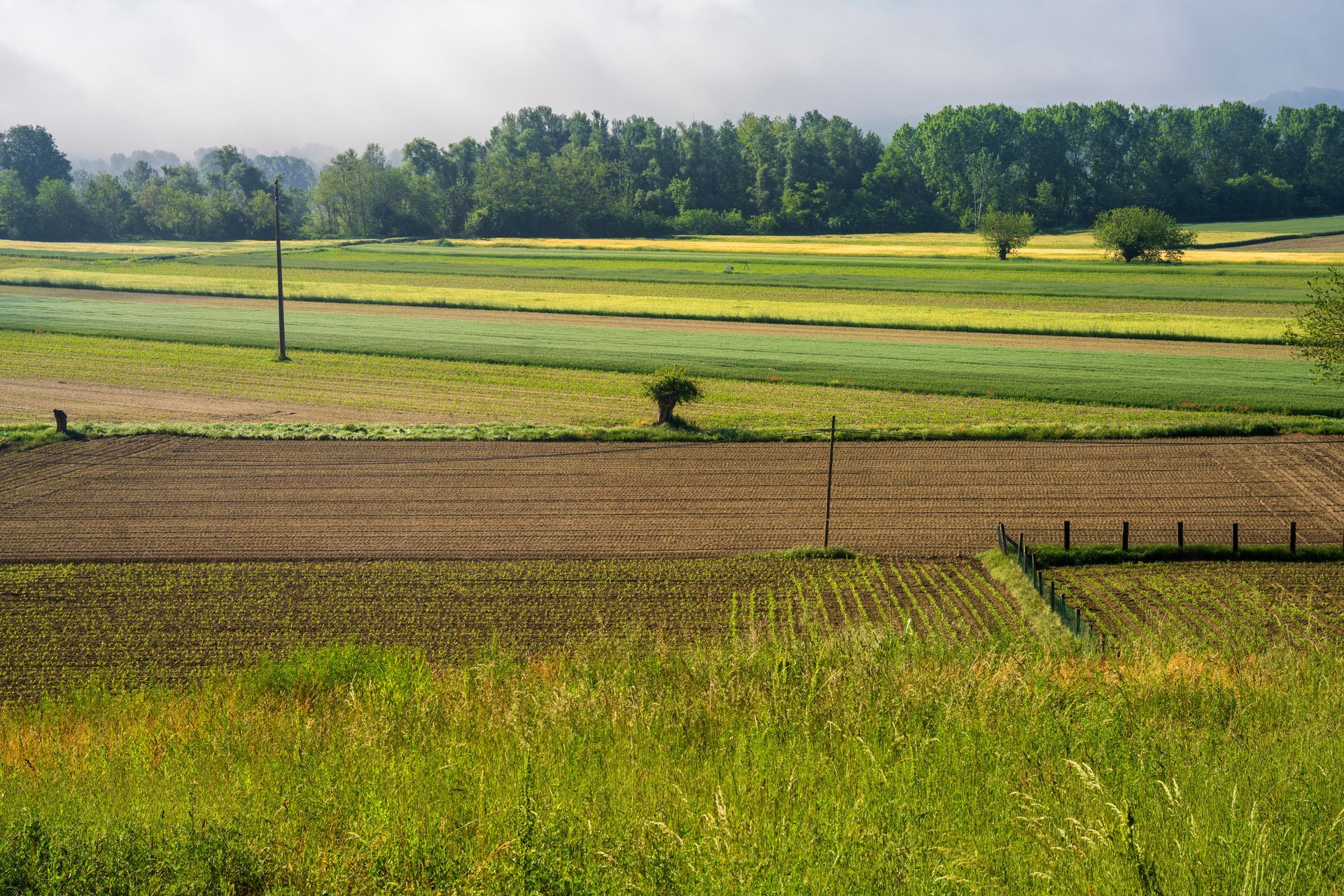
What can farmers learn from golf courses? When farmers think about field subsurface drainage installation, they often picture traditional tile systems designed to move water off the field over time. But what if the key to better performance came from an unexpected place—golf courses?
The foundation of the Richland Micro Drainage concept began with a simple question: how do golf courses stay consistently firm, playable, and free of standing water, even after heavy rain? By studying these systems closely, we uncovered principles that now shape a more effective approach to subsurface agricultural drain installation and overall subsurface drainage design.
What Golf Courses Teach Us About Water Movement
Golf courses manage water with precision. They rely on shallow, closely spaced drainage systems that move water quickly away from the surface. The goal is not just removal—it’s speed and consistency.
This approach led to a deeper understanding of how water behaves beneath the surface. Instead of relying solely on deeper, widely spaced tile, micro drainage focuses on faster infiltration and movement through the upper soil profile. That shift changes how we approach subsurface drainage solutions in agriculture.
By applying these concepts to farmland, we can reduce standing water more quickly and create better growing conditions during critical times in the season.
The Missing Link: Soil Biology and Drainage
One of the biggest gaps in traditional subsurface drainage design is the lack of connection between drainage and soil biology. Through years of evaluation, it became clear that water movement is not just about pipe placement—it’s about how the soil functions.
Fields with depleted soil life often show infiltration rates between ¼ inch to 1 inch over a 24-hour period. In contrast, soils with strong biological activity can achieve infiltration rates of up to 10 inches per hour under the right conditions.
That difference changes everything.
When soil biology improves, water moves more efficiently through the profile, reducing the burden on drainage systems. This allows for more strategic and cost-effective subsurface agricultural drain installation, often using smaller pipe and better placement rather than overbuilding.
Placement, Timing, and Real-World Conditions
Through years of working with farmers, we’ve learned that no two fields respond the same way. Successful field subsurface drainage installation depends on several key factors:
- Annual rainfall totals
- Rainfall intensity during critical growth periods
- Crop type and root structure
- Existing soil health and biology
By evaluating these conditions, we can determine where drainage is needed—and just as importantly, where it isn’t. This targeted approach improves performance while controlling costs.
A New Way to Think About Subsurface Drainage Solutions
The Richland Micro Drainage concept is built on real-world observation, farmer feedback, and continuous evaluation. It combines practical experience with a deeper understanding of how water and soil interact.
Instead of relying on outdated assumptions, this approach focuses on smarter subsurface drainage design—one that works with the soil, not against it. The result is faster water movement, healthier root systems, and more consistent crop performance.
Take the Next Step Toward Better Drainage
If you’ve struggled with slow drainage, standing water, or inconsistent yields, it may be time to rethink your approach. A better understanding of field subsurface drainage installation and soil biology can make a measurable difference in your operation.
Connect with Richland Micro Drainage to learn how proven subsurface drainage solutions—inspired by precision systems like golf courses—can help you build a more efficient, productive, and resilient farm.