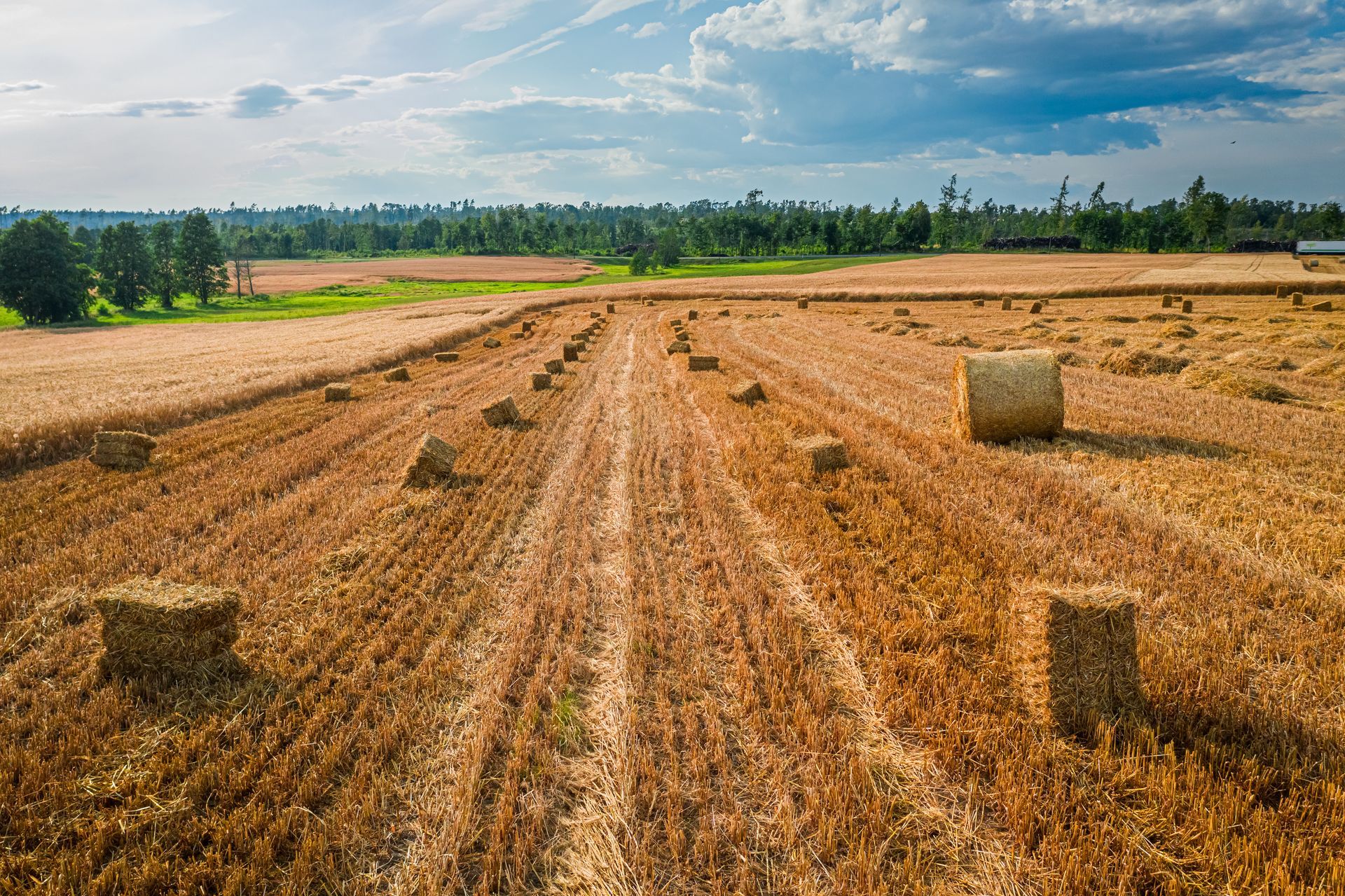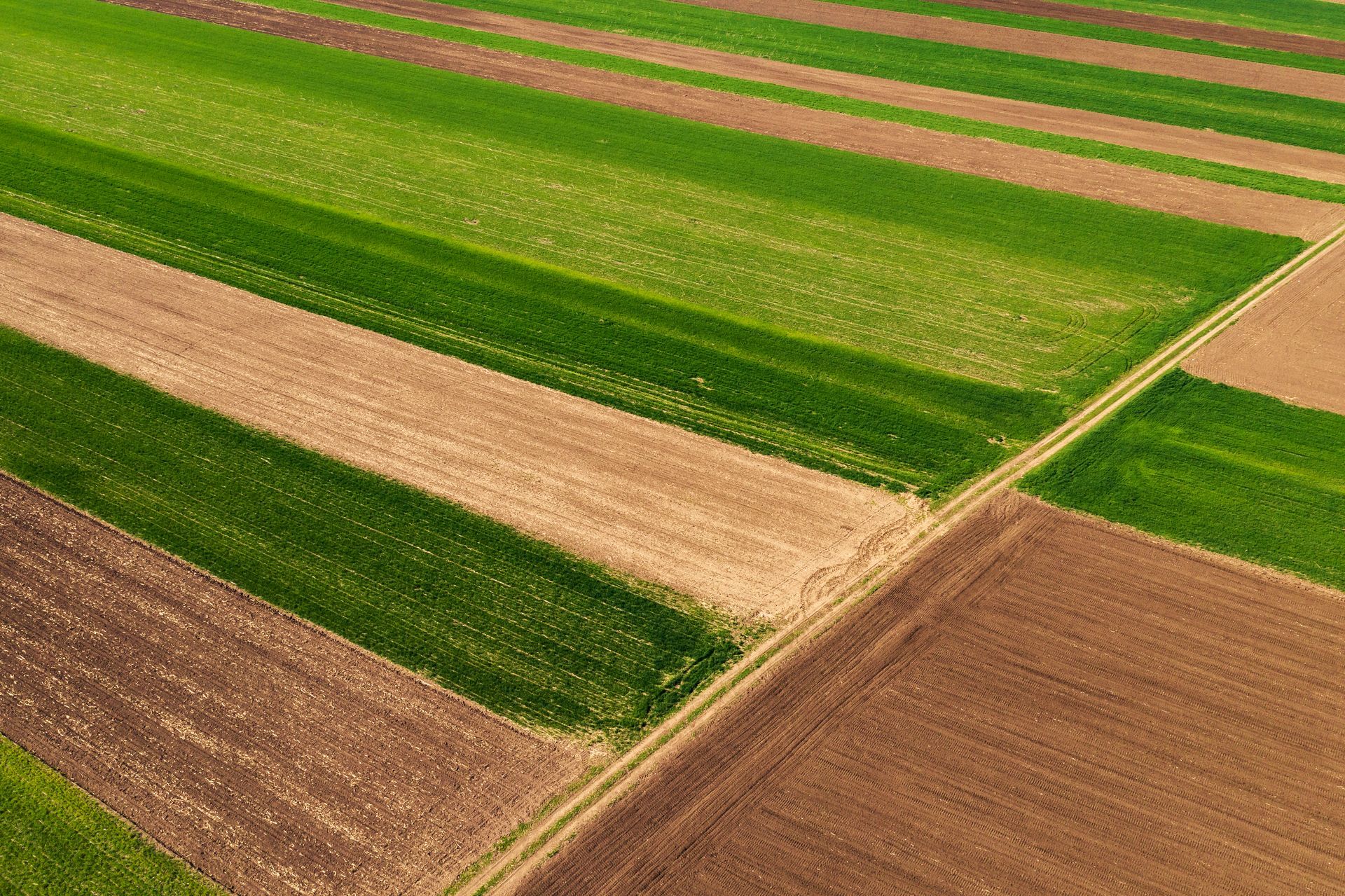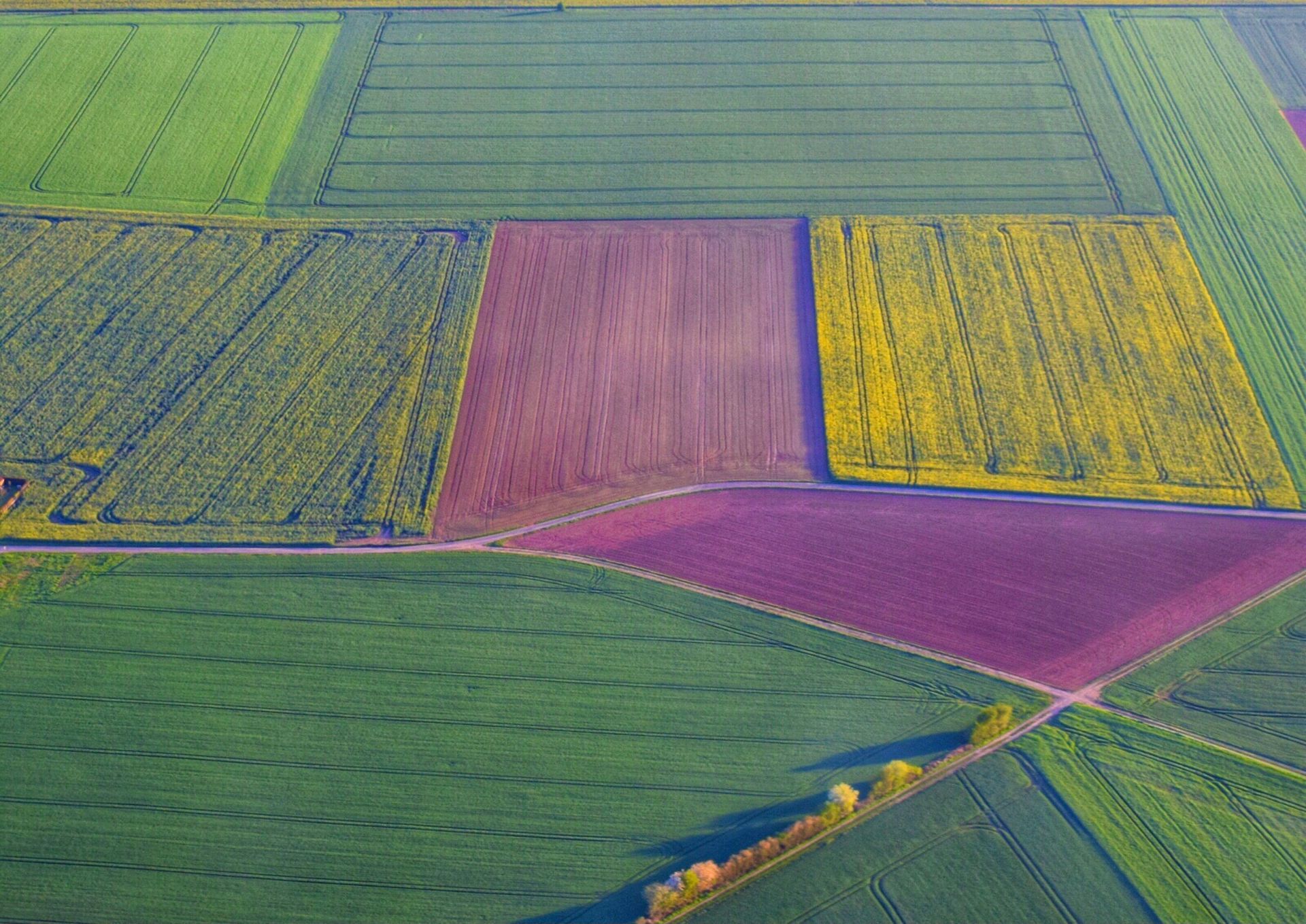
When farmers first look at 2-inch shallow tile, their biggest question is almost always about plugging. Won't a smaller pipe silt up faster than a standard 4-inch line? It’s a fair question, but the physics tells a very different story. When you combine high-definition topography mapping with automated slope control, smaller pipe actually stays cleaner.
Utilizing high-accuracy RTK design for agricultural drainage gives you the precise slope needed to generate self-cleansing water velocity. Installing a GPS grade control for tile plow system allows you to prevent siltation in farm tile while delivering dependable precision agricultural drainage across every acre.
Why RTK Design for Agricultural Drainage Prevents Clogging
Keeping sand and silt moving through a tile line comes down to one thing: maintaining steady water velocity. Water moving too slowly allows dirt particles to settle out and build up on the bottom of the pipe.
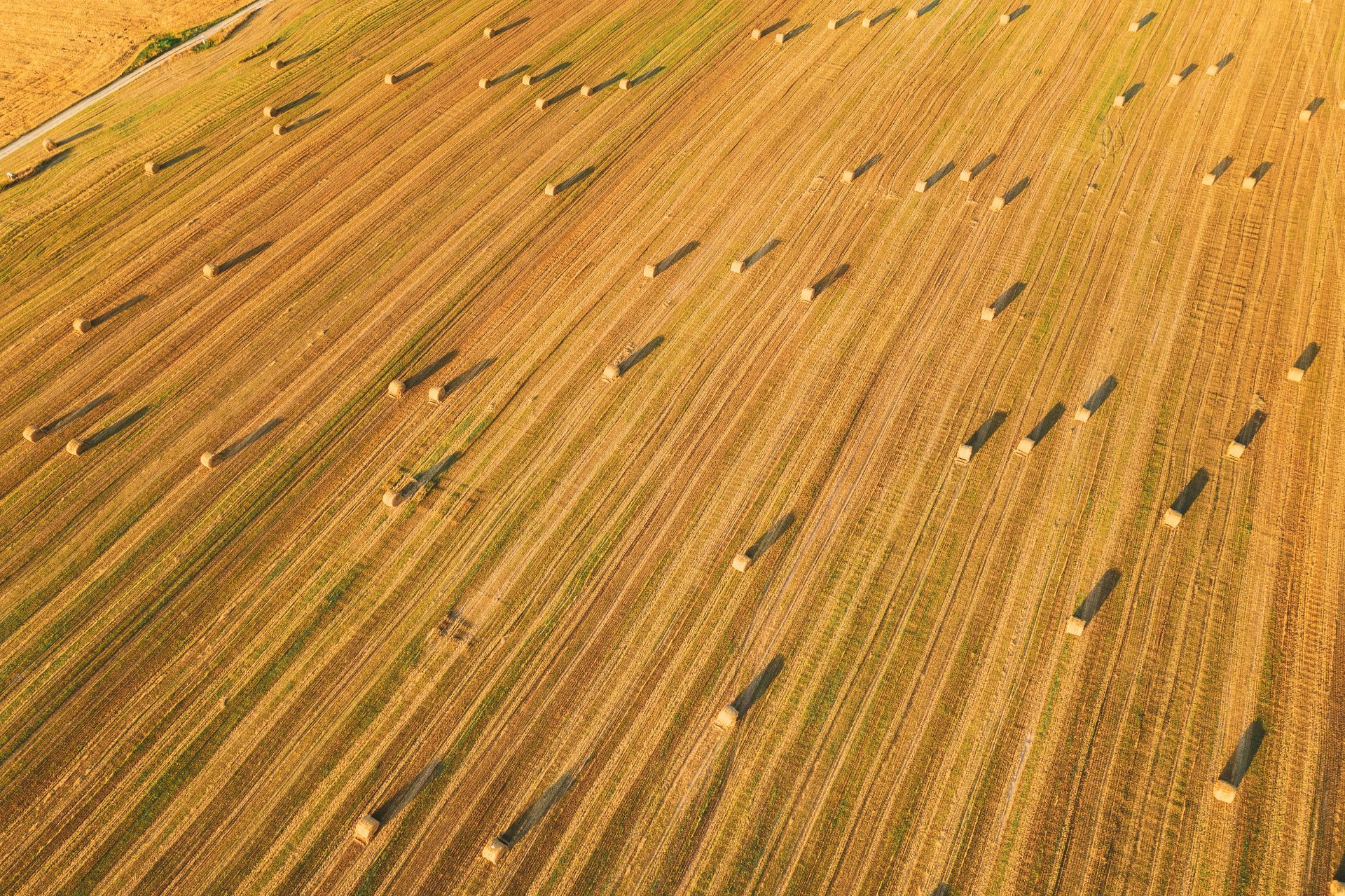
Starting your installation with an RTK design for agricultural drainage eliminates the dip-and-rise guesswork that causes standing water inside the line. By mapping your fields with an RTK-equipped ATV before you plow, you capture precise elevation data across every ridge and depression. This high-definition map ensures your tile path maintains a consistent, continuous grade that keeps water flowing at the optimal speed.
Using GPS Grade Control for Tile Plow Accuracy
Even the best field map won't help if your plow blade bounces or strays off grade while underground. A reliable GPS grade control for tile plow setup links directly to your machine's hydraulics to make instant, millimeter-level adjustments on the fly.
Running a GPS grade control for tile plow systems like GCS:Pipe ensures your plow maintains its target slope regardless of soil hardness or tractor speed. Because the system automatically corrects depth changes as you cross rolling terrain, your 2-inch tile stays on its calculated path from headland to outlet without creating low pockets where sediment can collect.
The Self-Cleansing Physics That Prevent Siltation in Farm Tile
Many growers assume bigger pipe is always safer, but wide pipes actually allow slow-moving water to spread out, lose speed, and drop silt. Knowing how to prevent siltation in farm tile means understanding how water behaves inside smaller pipe walls.
Because 2-inch tile concentrates water into a narrower channel, the water column moves at a higher velocity under the same slope. This creates a natural "scouring effect" that flushes fine soil particles straight out the end of the line. When you work to prevent siltation in farm tile, this high-velocity flow keeps your 2-inch pipe clear and maintenance-free season after season.
The Advantages of Precision Agricultural Drainage
We are farmers helping farmers, so we know that equipment investments need to work flawlessly for decades. Moving away from deep, guessed-at drainage lines in favor of precision agricultural drainage gives you total control over your water table.
Implementing precision agricultural drainage ensures your soil dries out uniformly without creating underground blockages. You get maximum water drawdown, faster spring field access, and long-lasting performance without constantly worrying about jetting or flushing clogged lines.
Upgrade Your Field Grade Today
Siltation isn't a pipe size problem—it’s a grade control problem. By pairing small-diameter tile with accurate field mapping, you get a self-cleaning system that outperforms traditional deep tile.
Invest in an RTK design for agricultural drainage, equip your tractor with a GPS grade control for tile plow setup, and prevent siltation in farm tile with modern precision agricultural drainage concepts.
Contact Richland Micro Drainage today to discuss your field mapping options and secure your land's future!