When heavy storms sweep across the Midwest, farmers with tight clay ground know that one drainage method isn't always enough to handle massive downpours. Relying strictly on underground pipe can leave water sitting in low depressions for days. Understanding how surface vs subsurface drainage for farms works together gives you complete control over field moisture.
By pairing clean ditch design for agricultural drainage with 2-inch shallow tile, you can clear flash runoff fast and keep root zones oxygenated. Installing modern agricultural surface drainage systems alongside a model 24 ditcher terracer ensures every drop of water moves off your field without taking your topsoil with it.
Balancing Surface vs Subsurface Drainage for Farms
A common mistake in wet fields is expecting underground tile to swallow severe surface pooling instantly. Comparing surface vs subsurface drainage for farms shows that each method plays a distinct role in keeping soil workable.
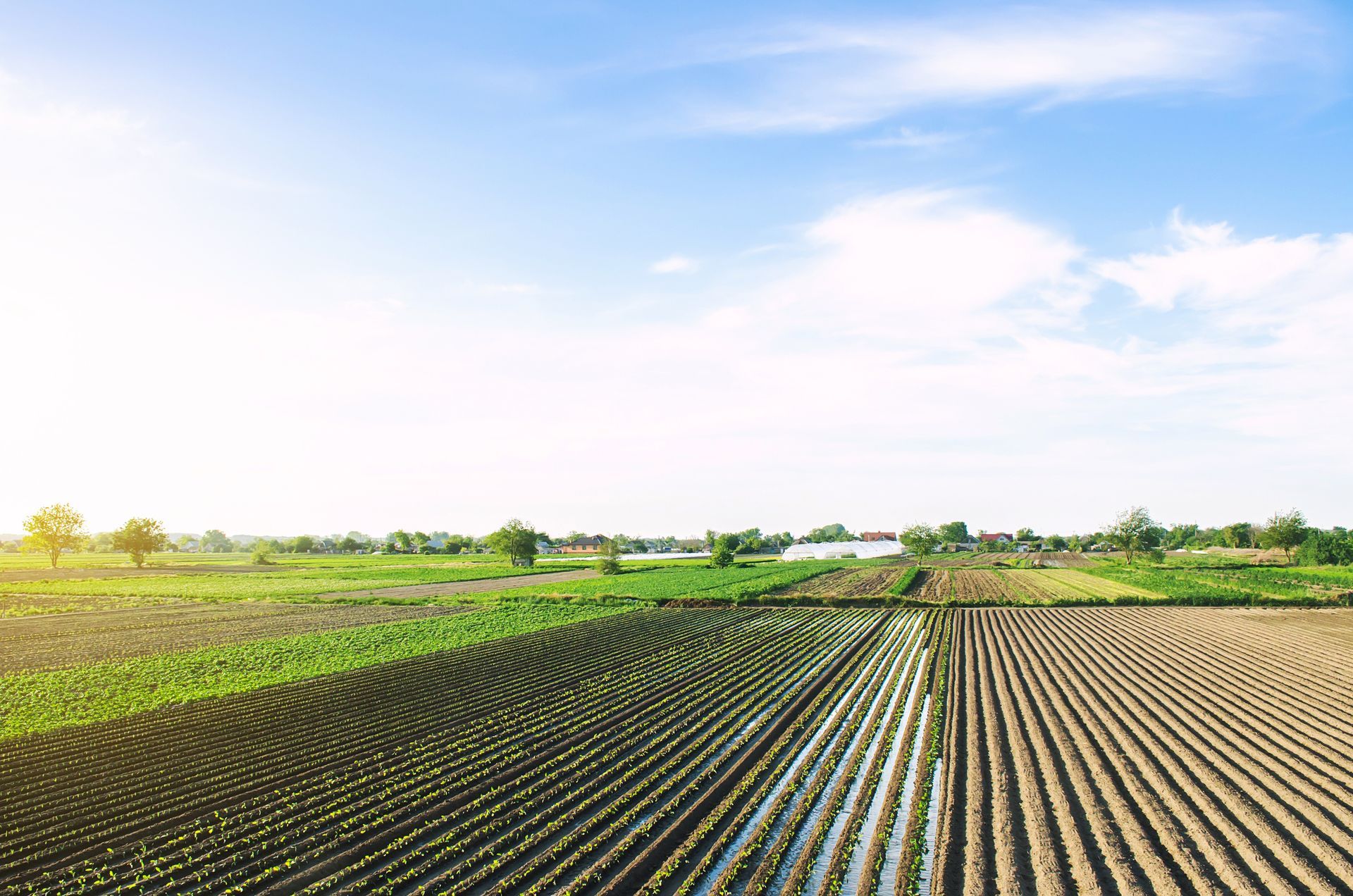
Surface waterways handle the heavy volume during flash downpours, carrying bulk runoff away in hours rather than days. Subsurface 2-inch tile then goes to work beneath the surface, pulling deep gravitational water out of the root zone. Balancing surface vs subsurface drainage for farms prevents topsoil erosion while keeping subsoil aerated for healthy root growth.
Master Your Waterways with Ditch Design for Agricultural Drainage
A well-planned surface layout requires proper shaping so farm equipment can cross without tearing up iron. Smart ditch design for agricultural drainage focuses on wide, shallow channels that direct water away smoothly while maintaining field trafficability.
Proper ditch design for agricultural drainage relies on accurate grading tools like OptiSurface 3D software to eliminate reverse grades where water collects. Cutting clean, shallow channels allows surface runoff to exit your low spots fast, preventing the ponding that drowns out young crops during early-season storms.
Heavy-Duty Performance with Agricultural Surface Drainage Systems
Investing in high-performance agricultural surface drainage systems gives you the flexibility to manage field water using your own farm equipment. Surface equipment lets you fix washed-out channels, build terraces, and shape waterways right after harvest.
Equipping your operation with agricultural surface drainage systems like 3-point ditchers or pull-type terracers puts land management back in your hands. You can clean out silted waterways and reshape field edges without waiting on outside contractors, protecting your topsoil investment before winter sets in.
The Power of the Model 24 Ditcher Terracer
When you need to move heavy earth and shape precise field ditches, the right implement makes all the difference. The pull-type model 24 ditcher terracer gives you the rugged power required to cut clean waterways through heavy clay ground.
Running a model 24 ditcher terracer behind your tractor allows you to slice smooth, uniform channels that direct surface water straight toward your main outlets. The model 24 ditcher terracer creates gentle slopes that your combine and planter can glide over easily, turning useless swampy depressions back into productive, high-yielding acres.
Build a Complete Water Strategy Today
We are farmers helping farmers, and we know that heavy Midwestern soils demand a complete water management plan. Combining surface ditching with 2-inch micro-tile creates a resilient system that handles whatever weather gets thrown your way.
Evaluate your surface vs subsurface drainage for farms, improve your ditch design for agricultural drainage, upgrade your agricultural surface drainage systems, and put a model 24 ditcher terracer to work on your land.
Contact
Richland Micro Drainage today to design a complete water strategy for your farm!