Every farmer knows that no two fields—and certainly no two soil types—behave the exact same way when a heavy rain hits. Whether you farm the tight claypans of Northern Ohio and Missouri or the lighter, sandier loams of Wisconsin and Pennsylvania, managing root-zone moisture is the key to consistent yields. Applying proper drainage design for heavy clay soils means adjusting your lateral tile spacing to match your ground. Using flexible micro drainage for different types of soil lets you customize your field drainage design to increase infiltration rates in farm soil across every acre you work.
Mastering Drainage Design for Heavy Clay Soils
Heavy clay ground holds onto water like a sponge, making it difficult for moisture to move downward through the tight soil profile. Standard tile placed deep in clay often struggles because water simply cannot travel through dense dirt fast enough to reach widely spaced lines.
Developing an effective drainage design for heavy clay soils relies on shallow depth and tight lateral spacing. By placing 2-inch pipe around 24 inches deep and spacing lines just 15 to 20 feet apart, you shorten the distance water has to travel through the clay. This targeted drainage design for heavy clay soils pulls excess water down rapidly, preventing crop drowning and keeping topsoil workable.
Deploying Micro Drainage for Different Types of Soil
While heavy clay demands tight spacing, lighter sandy loam soils allow water to move laterally much more freely. Understanding how to adapt micro drainage for different types of soil ensures you get maximum performance without overspending on pipe.
In lighter soils, you can widen your lateral spacing to 30 feet or more while still achieving fast drawdown. Using micro drainage for different types of soil gives you the flexibility to match your layout to your exact soil survey map, giving you a custom water management setup that fits your budget.
Tailoring Field Drainage Design to Your Topography
A good field drainage design accounts for both soil texture and field slope to prevent waterlogging in low spots. Using precision RTK mapping ensures every line maintains continuous grade regardless of surface dips.
A smart field drainage design places shallow 2-inch tile lines perpendicular to natural water movement. This layout intercepts underground seepage before it reaches low pockets, giving you uniform field conditions so your entire crop matures evenly.
How to Increase Infiltration Rates in Farm Soil
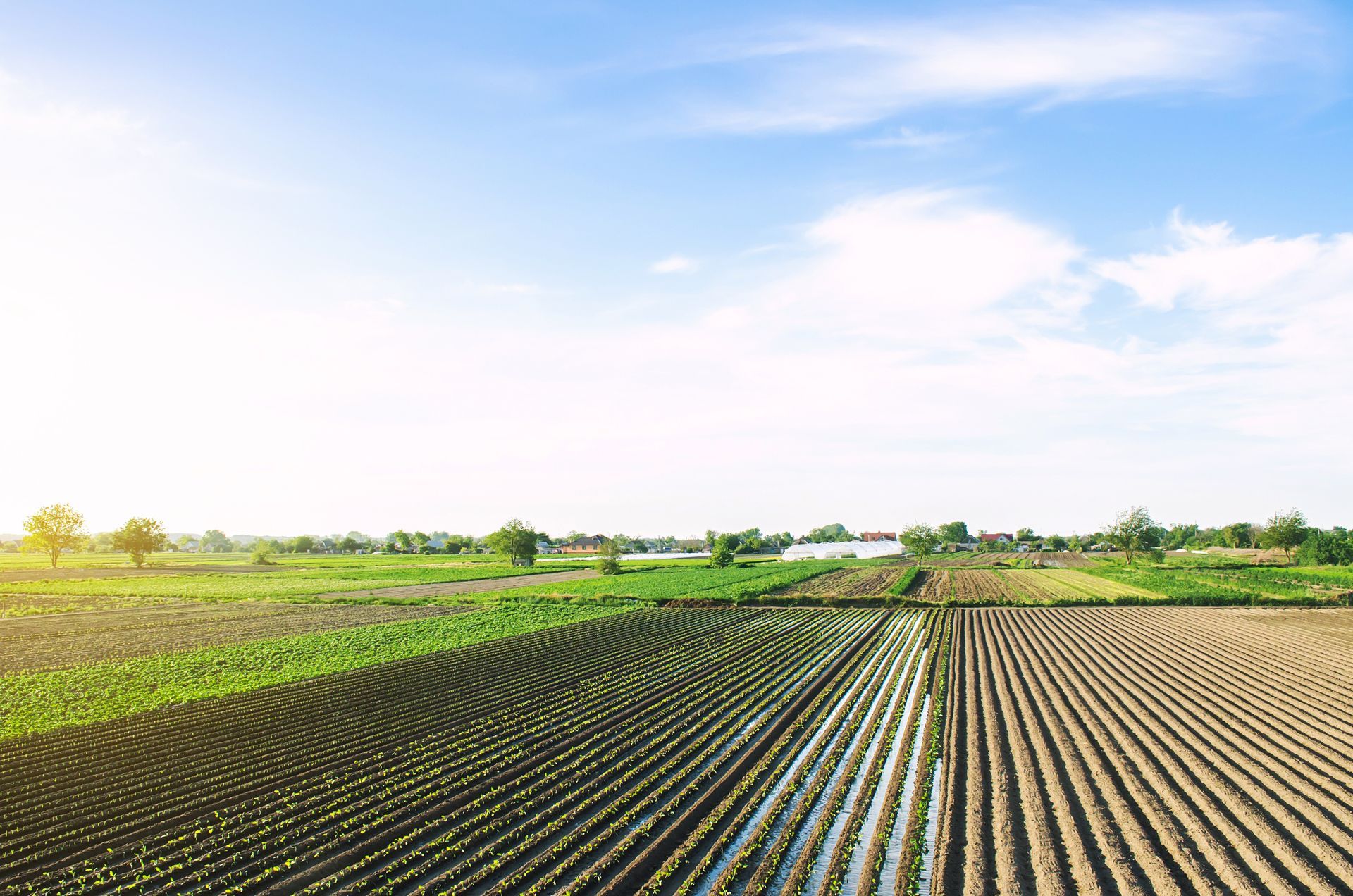
When heavy rain falls on saturated dirt, water pools on top, causing surface crusting and severe erosion. Finding ways to increase infiltration rates in farm soil protects your topsoil and keeps critical inputs in place.
Shallow 2-inch tile creates an open, oxygenated soil structure that naturally draws water down from the surface. As you increase infiltration rates in farm soil, soil pores stay open, allowing roots to breathe and earthworms to build lasting drainage channels throughout your subsoil.
Get the Right Layout for Your Acres
We are farmers helping farmers, and we know that a one-size-fits-all approach doesn't work when it comes to tile. Tailoring your system to your soil texture is the fastest way to see a real return on your investment.
Optimize your drainage design for heavy clay soils while putting micro drainage for different types of soil to work. Build a custom field drainage design, and increase infiltration rates in farm soil this season.
Contact Richland Micro Drainage today to design the perfect layout for your land!