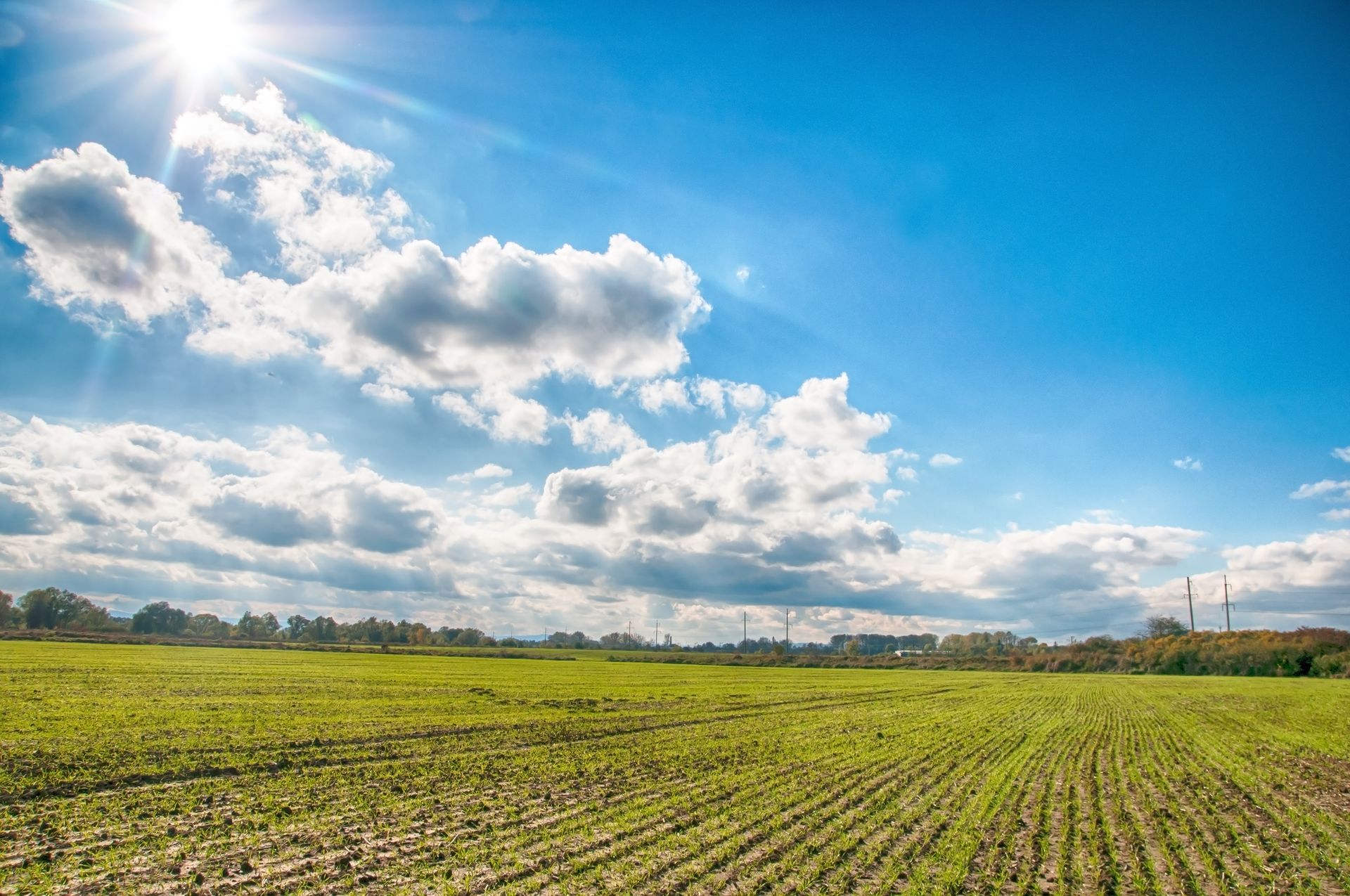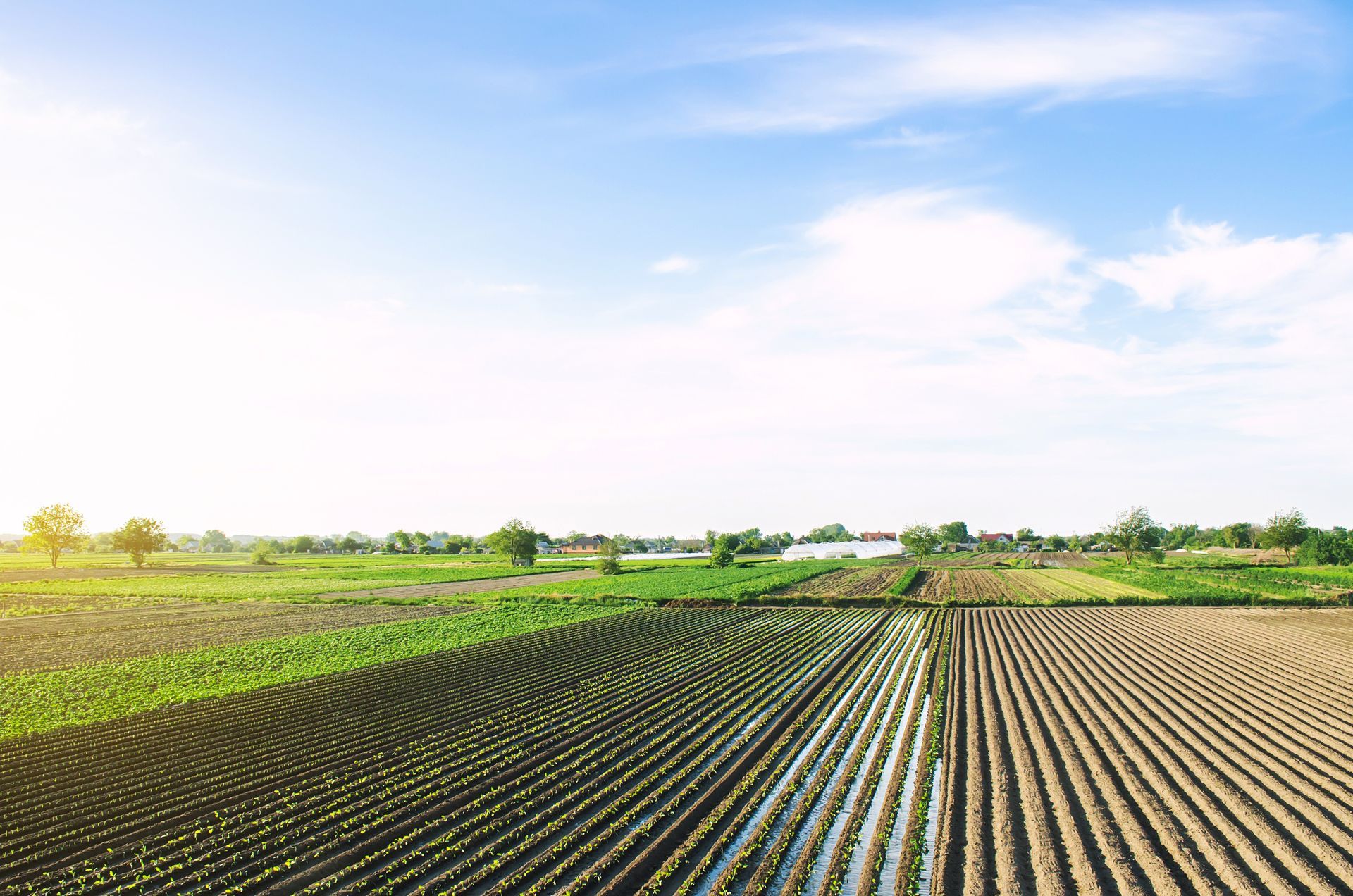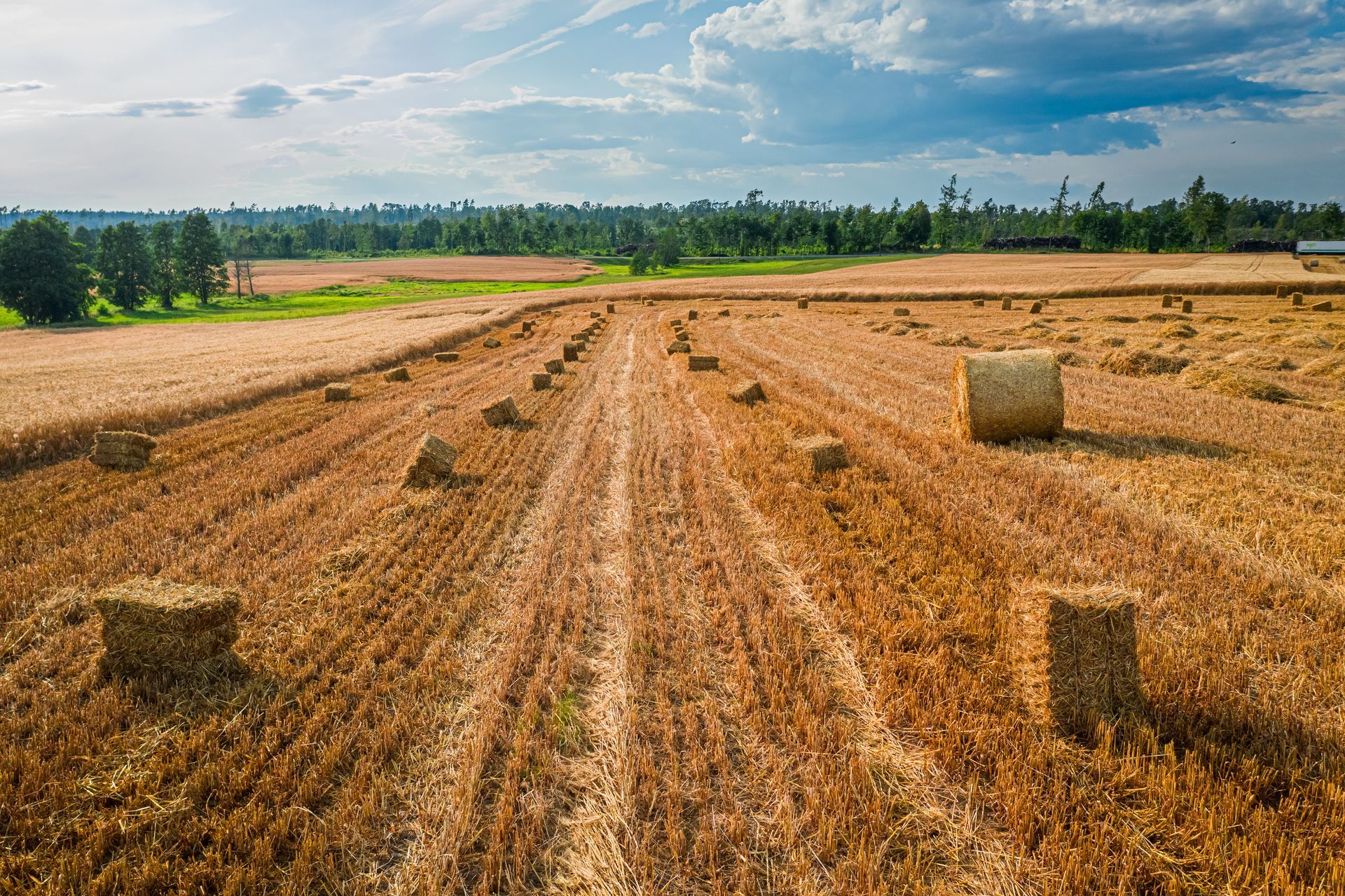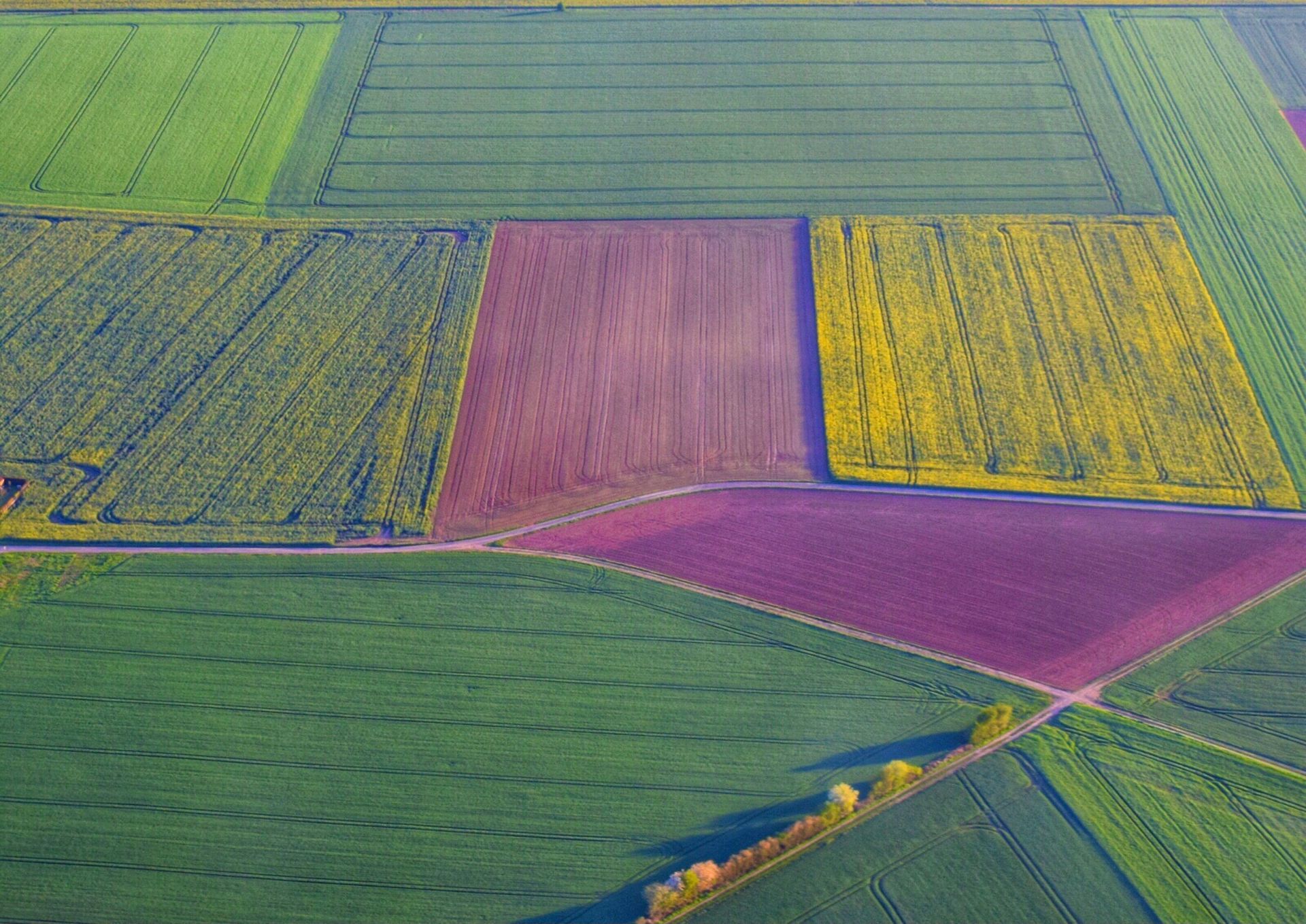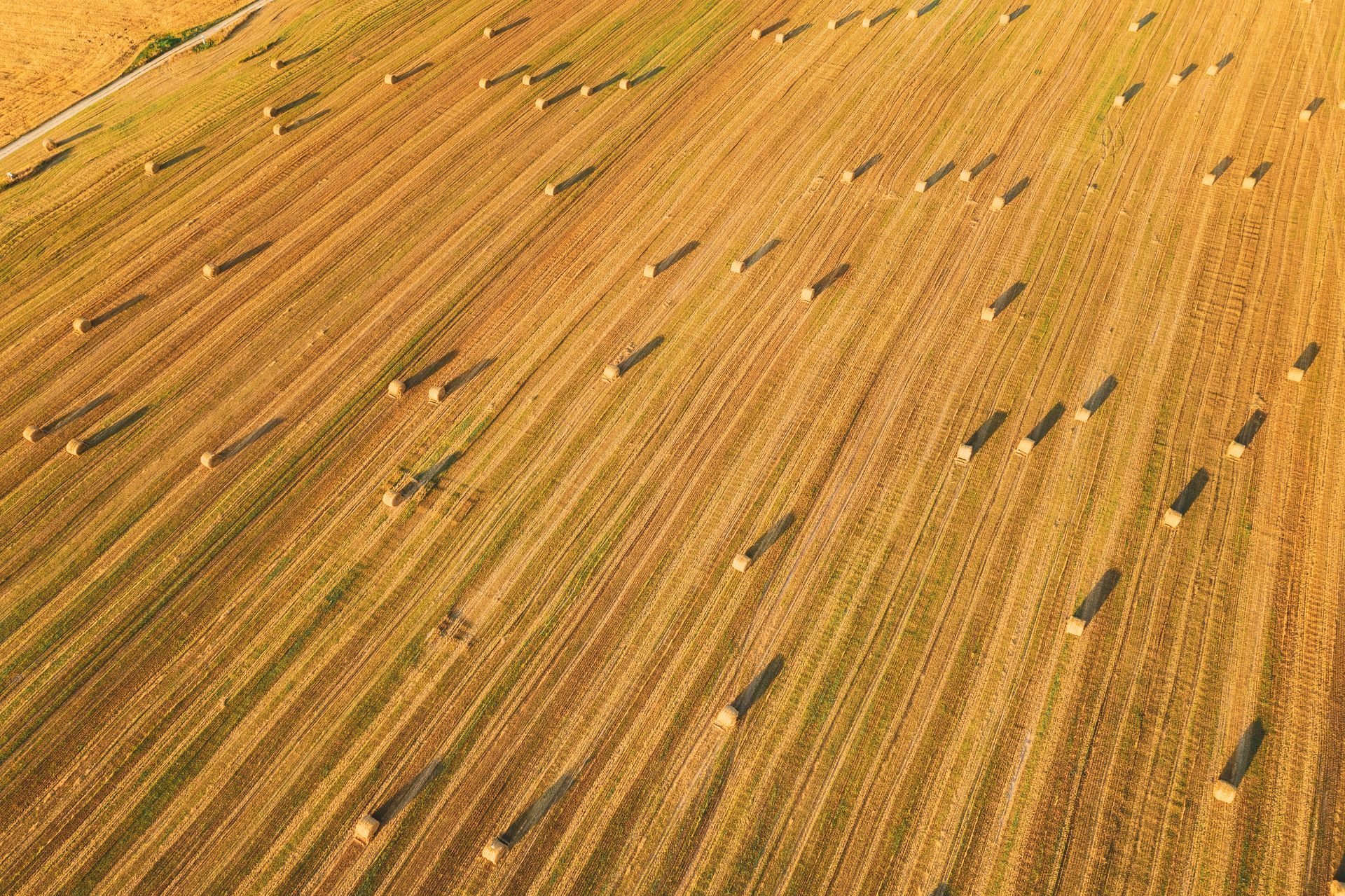
Rolling hills, side-hill seeps, and unpredictable contours bring unique challenges to growers across Pennsylvania, New York, Southern Ohio, Kentucky, Wisconsin, and Missouri.
Water doesn't just sit in bottomland pockets; it travels down slopes underground, erupting right on side hills to wash away topsoil and drown out crops. Managing complex terrain requires specialized farm drainage systems for uneven fields. By partnering with our local contractors and utilizing 2-inch shallow tile alongside surface ditchers, you can fix side hill seeps with tile, protect your slopes, and put complete RTK design for agricultural drainage concepts to work across every acre.
The Challenge of Farm Drainage Systems for Uneven Fields
Uneven terrain creates inconsistent soil moisture. While hilltops dry out fast, side slopes and bottoms stay tacky, creating dangerous mud holes that stall field passes and cause deep ruts. Standard tiling methods often struggle here because deep lines are difficult to keep on grade across rolling contours.
Using our targeted farm drainage systems for uneven fields solves this problem by using flexible 2-inch shallow tile installed perpendicular to slope runoff. Smaller pipe fits the natural contours of your land, catching subsurface water before it reaches the surface. This creates uniform drying across rolling hills so your machinery glides over every acre without delay.
How to Fix Side Hill Seeps with Tile
A common headache on rolling farms is water pushing out on a hillside halfway down a slope. Farmers often ask why a hill would stay wet when logic says water should run off. These seeps happen when underground water hits a dense clay layer and travels horizontally until it breaks out on the hillside.
The most effective way to fix side hill seeps with tile is to lay 2-inch micro-tile right across the seep path just above where the water breaks out. The shallow tile intercepts that subterranean flow, channeling it safely downhill before it can ruin your topsoil. Learning to fix side hill seeps with tile stops gully erosion in its tracks and turns wet slopes back into productive ground.
Utilizing RTK Design for Agricultural Drainage on Slopes
Even on steep slopes, maintaining precise, continuous pipe grade is critical to prevent siltation and keep water moving. Using an accurate RTK design for agricultural drainage layout maps every elevation change across rolling hills before you ever drop a plow in the ground.
An RTK design for agricultural drainage allows specialized software to guide tile plows through variable terrain automatically. This keeps 2-inch tile at a consistent, self-cleansing slope without manual adjustments, ensuring water flows freely down complex hill systems without clogging or blowing out lines.
Modern Precision Grade Control Equipment for Midwestern Terrain
Equipping tractors with reliable precision grade control equipment allows contractors and farmers to tile rolling ground safely and efficiently. Systems like GCS:Pipe automatically adjust plow depth, matching the exact topography of your hills.
Using advanced precision grade control equipment ensures your tile follows precise 3D field models. Whether you are running a Micro Plow in New York or cutting surface waterways with a Model 24 Ditcher in Missouri, automated grade control guarantees your water outlets right where it belongs.
Local Support Across Six Midwestern and Eastern States
We are farmers helping farmers, and we know that rolling terrain demands local expertise. Richland Micro Drainage supports an expanding network of trained contractors across Ohio, Kentucky, New York, Pennsylvania, Wisconsin, and Missouri.
Discover how our farm drainage systems for uneven fields can transform your farm, learn how to fix side hill seeps with tile, implement proven RTK design for agricultural drainage layouts, and put precision grade control equipment to work on your land.
Contact Richland Micro Drainage today to connect with a local contractor near you!