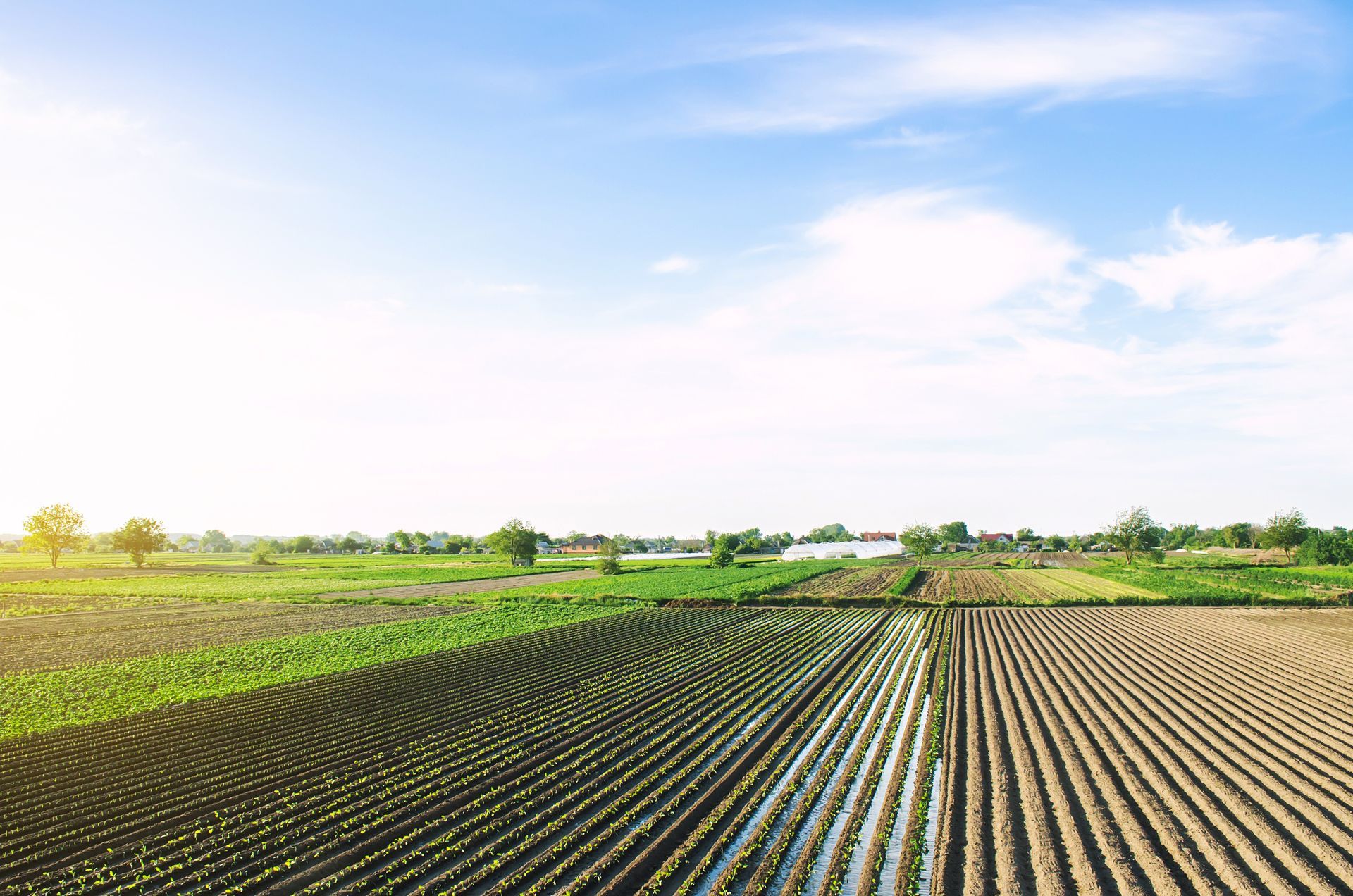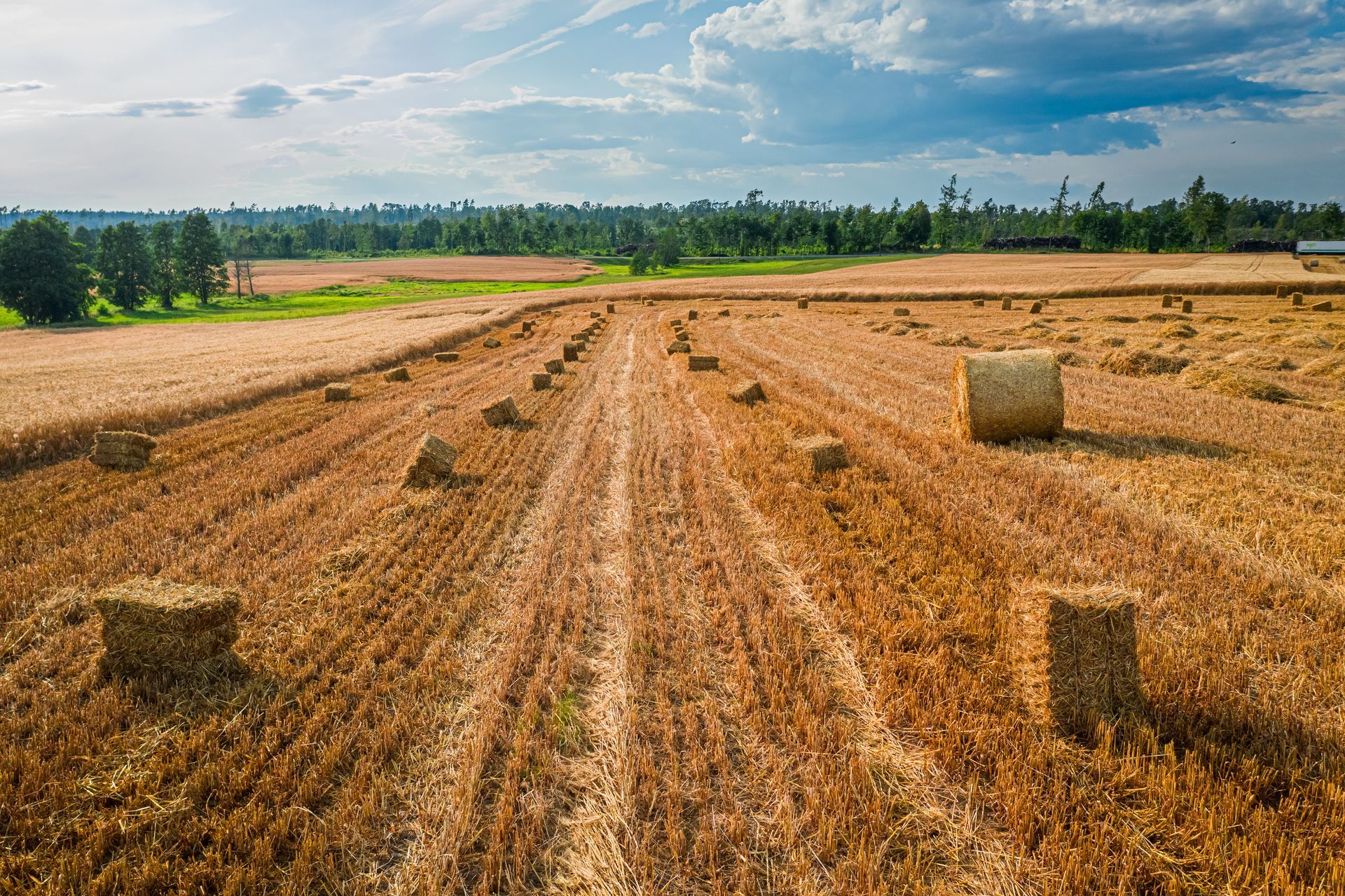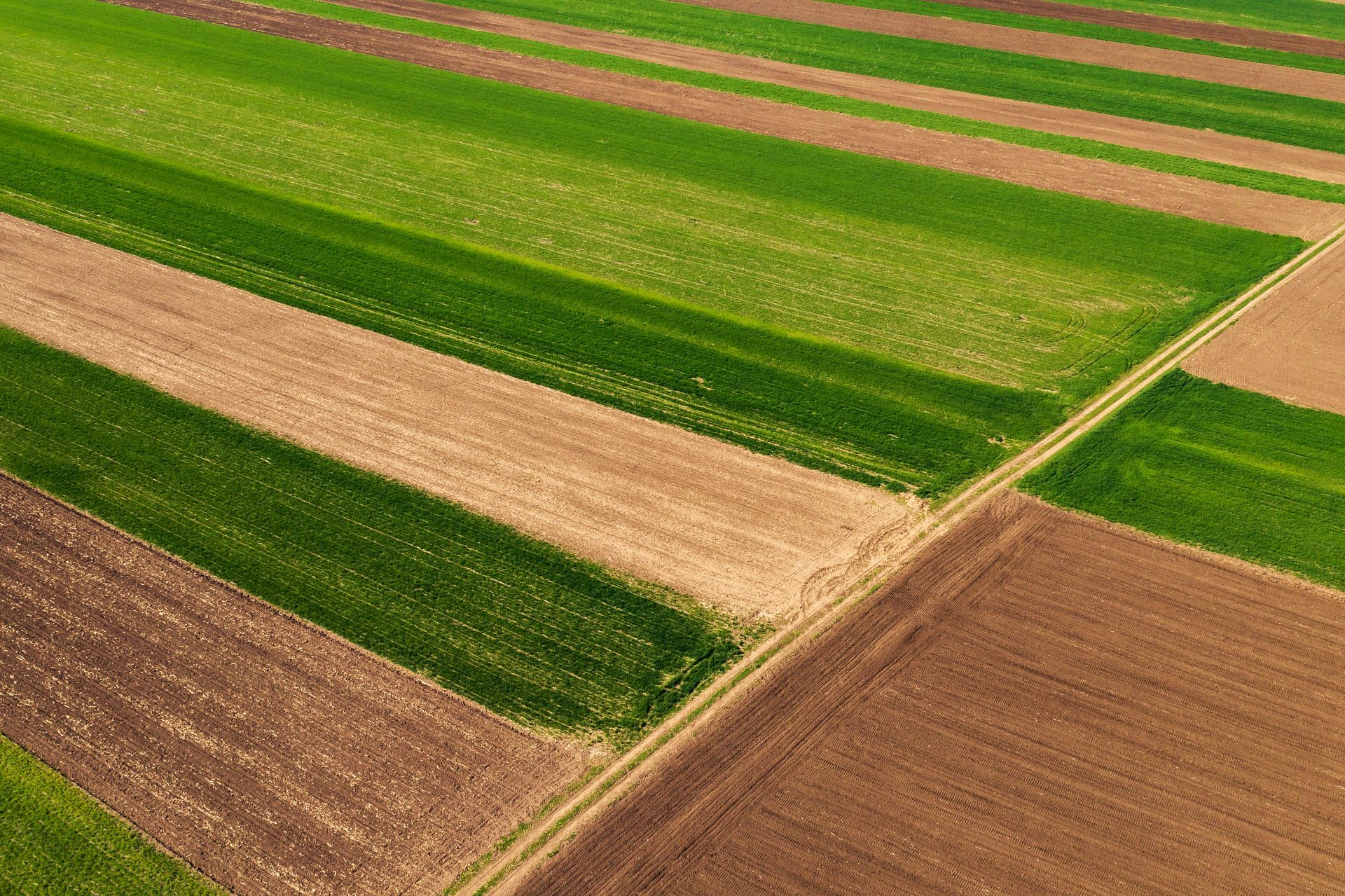
Rolling hills, side-hill seeps, and washing draws bring unique challenges to growers. Moisture across Pennsylvania, New York, Ohio, Kentucky, Wisconsin, and Missouri doesn't just collect in bottomland pockets; it travels underground down steep slopes, erupting halfway down hillsides to wash away topsoil. Managing variable terrain requires specialized surface and subsurface drainage systems for uneven fields. Deploying targeted farm drainage systems for uneven fields allows you to fix side hill seeps before they ruin your slopes and prevent gully erosion across every rolling acre you farm.
Deploying Surface and Subsurface Drainage Systems for Uneven Fields
Uneven terrain creates frustrating, inconsistent field conditions. While hilltops dry out quickly in early spring, draw bottoms and side slopes stay tacky, creating dangerous mud holes that stall field passes and cause deep machinery ruts.
Implementing surface and subsurface drainage systems for uneven fields solves this issue by combining shallow 2-inch subsurface tile with clean surface waterways. Placing surface and subsurface drainage systems for uneven fields across rolling ground intercepts underground water before it saturates topsoil, keeping field conditions uniform so your combine and planter glide smoothly over every hill.
Designing Farm Drainage Systems for Uneven Fields
Standard deep-tiling methods often struggle on rolling contours because deep lines are difficult to keep on grade across changing slopes. Modern farm drainage systems for uneven fields utilize flexible, shallow 2-inch pipe placed around 24 inches deep.
Customized farm drainage systems for uneven fields follow natural field topography, placing tile lines perpendicular to subterranean water flow. When you install farm drainage systems for uneven fields using automated RTK grade control, your pipe maintains continuous, self-cleansing water velocity down complex slopes without clogging or blowing out lines.
How to Fix Side Hill Seeps Before They Ruin Your Dirt
A common headache on rolling farms is water pushing out on a hillside days after a heavy rain stops. Farmers often wonder why a slope stays wet when logic says water should run downhill. These seeps happen when underground water hits a dense clay layer and travels horizontally until it breaks out on the slope surface.
The most reliable way to fix side hill seeps is to lay 2-inch micro-tile right across the seep path just above the breakout line. Intercepting that subterranean flow allows you to fix side hill seeps cleanly, channeling water safely down to a main outlet. Learning to fix side hill seeps keeps your hill ground firm and prevents equipment from slipping or sticking.
Protect Topsoil and Prevent Gully Erosion on Rolling Slopes
When heavy storm runoff rushes down saturated hill paths, it carves deep ditches and carries your most fertile topsoil straight into the creek. Finding practical ways to prevent gully erosion is essential for preserving your land's long-term fertility.
Shallow micro-tile acts as an underground pressure release valve that absorbs heavy rainfall naturally. As you prevent gully erosion with subsurface tile, topsoil stays intact, root systems remain anchored, and your expensive fertilizer stays right where you applied it. Taking steps to prevent gully erosion secures your field structure for generations to come.
Take Control of Your Rolling Ground Today
Don't let hillside seeps and washing draws ruin your best rolling acres. Protecting your slopes with modern micro-drainage technology is the fastest way to turn variable terrain into uniform, high-yielding ground.
Upgrade your land with surface and subsurface drainage systems for uneven fields, invest in farm drainage systems for uneven fields, learn how to fix side hill seeps, and prevent gully erosion on every slope.
Contact Richland Micro Drainage today to design a custom contour tile layout for your farm!