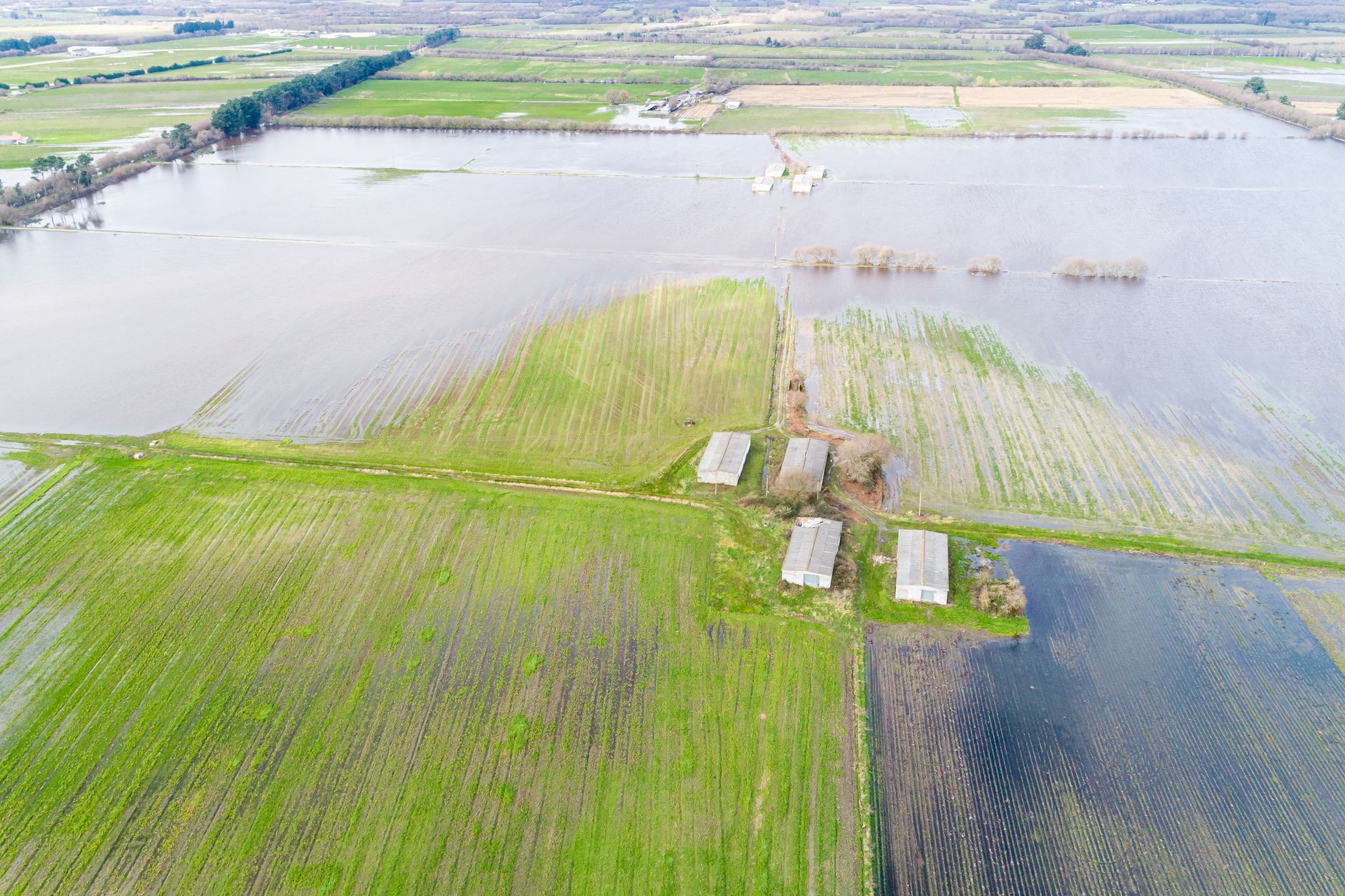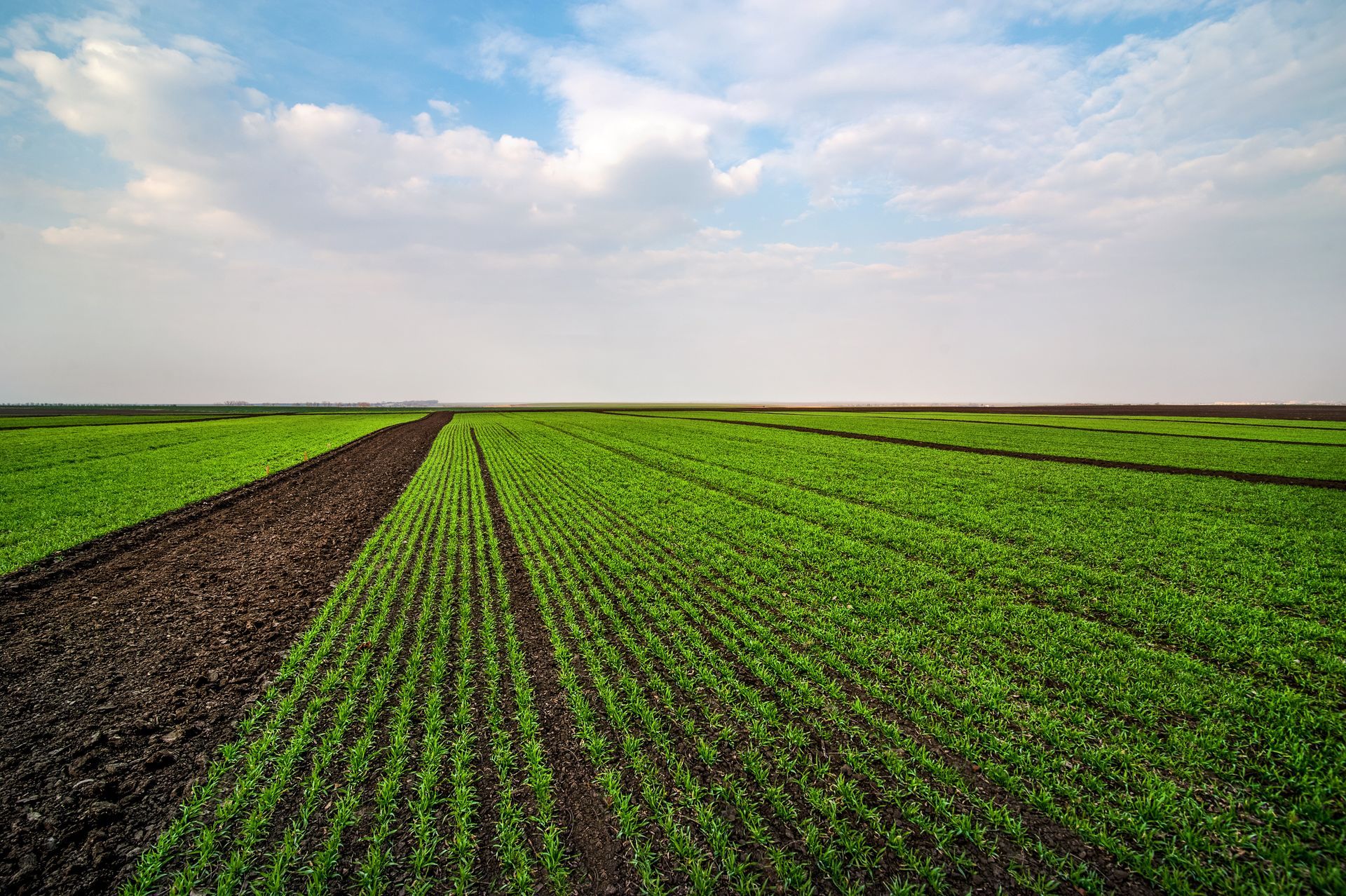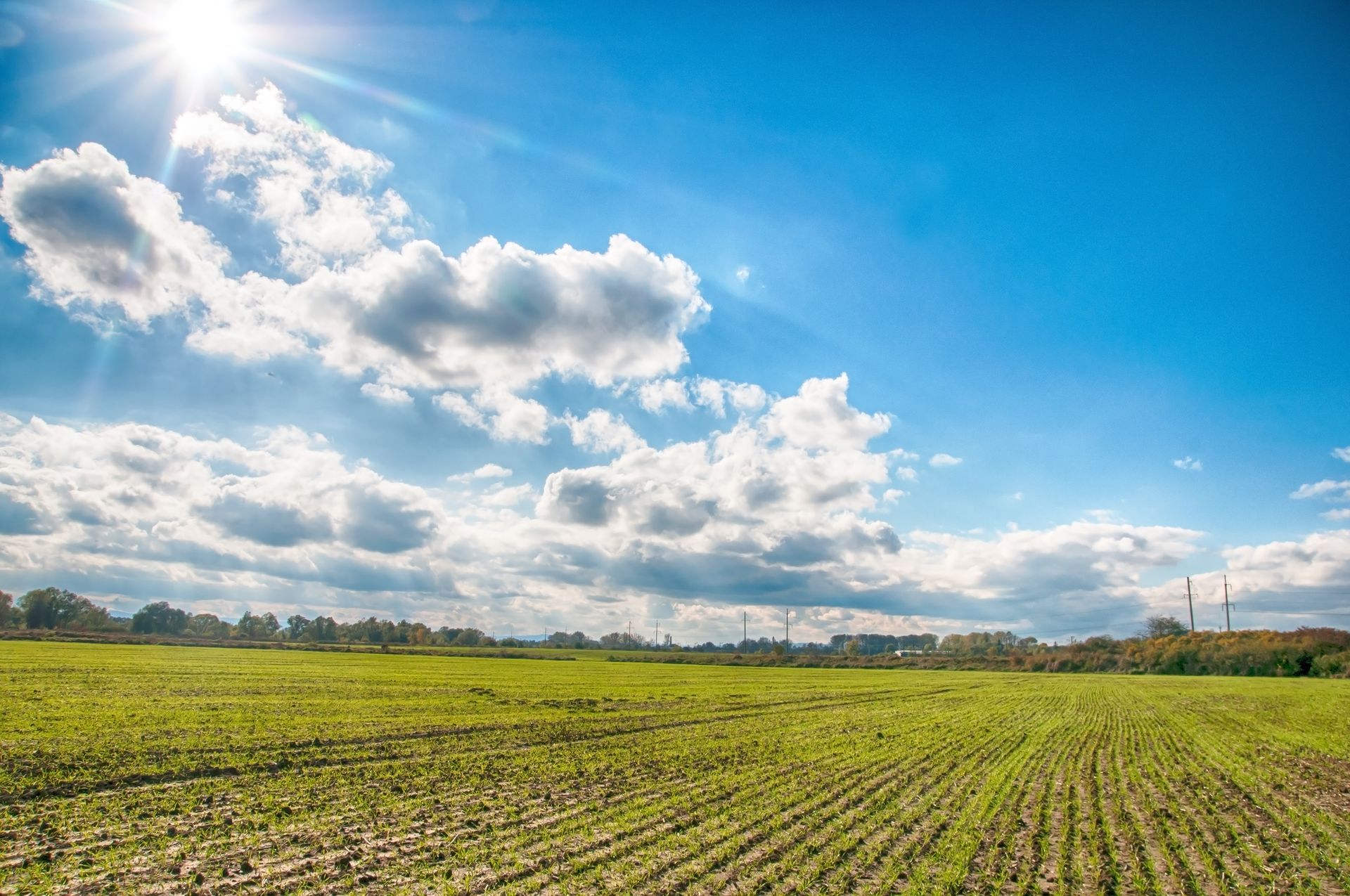
When harvest wraps up and cold air settles over the Midwest, it is tempting to park the iron and call it a season. However, what happens underground during late autumn dictates how early you can pull planter passes next spring. Saturated soils that freeze solid destroy subsoil structure and leave behind dense, tacky hardpans. Taking advantage of late fall farm drainage allows you to lower the water table before the ground locks up. Installing subsurface water removal systems provides active soil freeze thaw cycle management that helps you prevent spring soil compaction across every acre.
The Value of Late Fall Farm Drainage Before Winter Locks Up
The late-fall window after harvest offers the single best opportunity to make lasting land improvements. Soil moisture is manageable, the crop canopy is gone, and low depressions are clearly visible.
Executing late fall farm drainage ensures your soil enters the cold months aerated rather than soaked. By pulling excess water down before the first hard freeze, late fall farm drainage protects fragile soil aggregates, keeping ground spongy and ready to absorb early spring rains without turning into a muddy mess.
Managing the Soil Freeze Thaw Cycle Underground
When waterlogged ground freezes solid, water trapped in the topsoil expands significantly. This constant expanding and contracting during soil freeze thaw cycle management crushes natural soil pores, destroys earthworm channels, and causes severe frost-heaving.
Proactive soil freeze thaw cycle management relies on removing standing gravitational water before temperatures drop. Draining that excess water out reduces frost expansion, preserving vital air pockets in the soil profile. Proper soil freeze thaw cycle management protects earthworm populations and aerobic microbes so they can break down crop residue late into the fall.
High-Performance Subsurface Water Removal Systems
Protecting your soil structure requires getting water off the field quickly and efficiently. Modern subsurface water removal systems utilize shallow 2-inch tile installed around 24 inches deep with closer lateral spacing.
Installing subsurface water removal systems creates a dense network that draws moisture down evenly across heavy clay ground and rolling slopes. Because these subsurface water removal systems operate with higher water velocity, lines stay self-cleansing while keeping your water table right where it needs to be all winter long.
How Late-Fall Tiling Helps Prevent Spring Soil Compaction
Heavy machinery rolling over wet spring ground is the primary cause of deep, yield-robbing hardpans. The best way to prevent spring soil compaction is to ensure your dirt dries out thoroughly before the planter leaves the shed.
When you take steps to prevent spring soil compaction in late autumn, your fields thaw and drain weeks earlier in April. Working to prevent spring soil compaction keeps soil trafficable, lets your tractor tires float over the topsoil without rutting, and gives germinating seeds the warm, oxygenated seedbed they need for quick emergence.
Secure Warmer, Drier Seedbeds for Next Season
We are farmers helping farmers, and we know that early-season momentum starts with smart fall stewardship. Managing your soil water levels before winter sets in is the fastest way to guarantee smoother field passes and higher yield potential come spring.
Schedule your late fall farm drainage projects today, deploy modern subsurface water removal systems, master your soil freeze thaw cycle management, and prevent spring soil compaction on your operation.
Contact Richland Micro Drainage now to explore custom micro-tile layouts before the winter freeze arrives!